
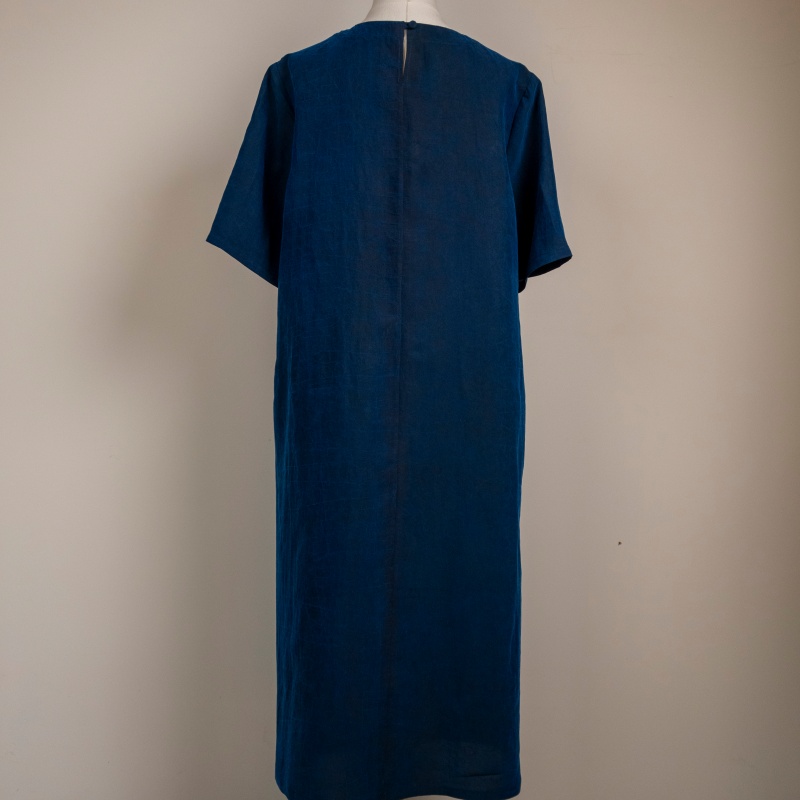
Detailed Steps and Tips for Hand-Washing Silk Qipao
How to Hand Wash a Silk Cheongsam Without Ruining the Embroidery
There’s a right way to hand wash a silk cheongsam and a wrong way. The wrong way is what most people do — fill a sink, dump in soap, swish the fabric around, wring it out, and hang it up. The right way takes twenty minutes, uses almost no effort, and leaves your cheongsam looking exactly the way it did before you put it in the water. The difference is in the details. Skip any one of them and you’ll pay for it later — faded dye, loose threads, a stretched hem, or a collar that never sits right again.
What Goes Wrong When People Wash Silk Cheongsams at Home
The number one mistake is using the wrong water temperature. Hot water shrinks silk. Cold water doesn’t dissolve detergent properly, which leaves residue that attracts dirt after drying. Most people grab whatever water comes out of the tap and call it good. That alone destroys more cheongsams than anything else.
The second mistake is agitation. Swirling, squeezing, scrubbing — all of this pulls embroidery threads loose and distorts the shape of the garment. Silk doesn’t need scrubbing. It needs gentle pressure and patience.
The third mistake is wringing. Even a light wring stretches silk beyond recovery. The shoulders pull down, the hem distorts, and the side seams near the slit warp permanently. Once wet silk is wrung, it never goes back to its original shape.
Setting Up Before You Touch the Water
Pick the Right Basin and Fill It Correctly
Use a clean basin or a kitchen sink that’s been rinsed thoroughly. No bathtub — the residue from body products in a tub is invisible and it will react with silk dye. Fill the basin with lukewarm water. Lukewarm means the temperature of your skin when you run your hand under the tap and feel nothing — not cool, not warm. About thirty to thirty-two degrees Celsius.
The water should be deep enough to fully submerge the cheongsam without folding it. If the basin isn’t deep enough, the part sticking out of the water won’t get cleaned evenly, and you’ll end up with water marks on the fabric.
Choose Detergent Like It Matters — Because It Does
Use a detergent made for silk or wool. Neutral pH, no enzymes, no bleach, no fabric softener. Enzymes eat protein fibers, and silk is protein. That means enzyme-based cleaners will literally digest your cheongsam. Fabric softener coats silk fibers and makes them stiff. Bleach fades dye instantly.
If you can’t find a silk-specific detergent, use clear liquid castile soap. Not the colored kind. Use about half the amount you think you need. Too much soap leaves residue that attracts dirt after drying. Too little won’t clean properly. The sweet spot is a faint suds when you stir the water — barely visible, just enough to know the soap is there.
The Actual Wash — Step by Step
Submerge Slowly and Let It Sink
Don’t drop the cheongsam into the water. Lower it slowly, letting it sink naturally. Dropping it creates a splash that agitates the fabric and can pull loose threads on the embroidery. Once it’s fully submerged, leave it alone for two to three minutes. Let the water soak into the fibers and loosen any surface dirt. Don’t touch it during this time.
Press the Water Through — Never Rub
After the soak, start pressing the water through the fabric with your hands. Start at the shoulders and work downward toward the hem. Use both hands, flat palms, gentle pressure. Press the water in, let it flow through, press again. You’re not rubbing. You’re not squeezing. You’re guiding water through the silk the way you’d press water through a sponge.
The entire pressing process takes about three to five minutes. If the cheongsam is heavily soiled, soak for up to ten minutes before pressing. But never longer — extended soaking weakens silk fibers and causes dye bleeding, especially on darker colors.
Handle the Embroidery Like It’s Made of Glass
This is where patience separates a clean cheongsam from a ruined one. Never press directly on embroidered areas. The raised stitches are fragile and pressing on them pulls threads loose and flattens the pattern.
Instead, cup your hand under the embroidered section and let the water flow over it. If there’s a stain on the embroidery, take a soft white cloth, dampen it with the soapy water, and press the stain gently. Lift straight up. Do not drag the cloth across the fabric. Do not use a brush. One wrong stroke on a beaded or heavily stitched area can pull a thread that took hours to sew.
Rinse Twice and Stop
Drain the soapy water. Refill the basin with clean lukewarm water. Submerge the cheongsam and press the water through to release the soap. Drain and refill a second time. Press again. Two rinses are enough. If the water still looks slightly cloudy after the second rinse, do a third. But stop there. Over-rinsing stresses the silk without making it any cleaner.
After the final rinse, leave the cheongsam submerged for one minute. This allows any remaining detergent to fully release from the fibers. Then lift it out — don’t wring it. Just lift it straight up and let the excess water drip off naturally.
Drying Without Destroying the Shape
The Towel Roll Method — Do This Every Time
Lay a large, dry, clean towel flat on a surface. Place the cheongsam on top, still wet. Roll the towel up with the cheongsam inside like a burrito. Press gently along the roll to absorb water. Do not twist. Do not wring. Just press. The towel pulls moisture out of the silk without stretching it.
Unroll the towel and lay the cheongsam flat on a fresh dry towel. Smooth out every wrinkle while it’s still slightly damp. Start from the center and work outward toward the edges. Silk is most pliable when it’s damp, and this is your only chance to set the shape before it dries. Pay special attention to the seams, the slit edges, and the collar.
Dry Flat in the Shade — Always
Never hang a wet cheongsam. Wet silk stretches under its own weight. The shoulders will pull down, the hem will distort, and the side seams near the slit will warp within an hour. Lay it flat on a drying rack in a shaded room with good airflow. Not in direct sunlight — UV breaks down silk fibers and fades dye. Not near a heater — dry heat makes silk brittle.
Drying takes six to eight hours depending on humidity. Don’t rush it. If you’re in a hurry, place a fan on low setting about three feet away. The airflow speeds up evaporation without heat damage.
Spot Cleaning Between Full Washes
Fresh Stains Have a Thirty-Minute Window
If you spill something on your cheongsam, you have about thirty minutes to treat it before it sets. For fresh stains, dampen a white cloth with plain lukewarm water — no soap — and press the stain gently. Lift straight up. Repeat until no more color transfers to the cloth.
For oil-based stains like food grease or lipstick, add a single drop of clear dish soap to the water after the plain water press. Dish soap cuts through oil without damaging silk. Dab, don’t rub. Blot until the cloth comes up clean.
Sweat Stains Need Acid, Not Soap
Sweat stains show up as yellowish patches along the collar, underarms, and waist. These are protein-based stains, and they respond to acid, not alkaline soap. Mix one part white vinegar with four parts cold water. Dampen a cloth with the solution and press the stain gently. The acetic acid breaks down the protein. Follow immediately with a plain water press to remove the vinegar. Never use vinegar on embroidery — it weakens cotton thread.
Mistakes That Look Small But Cause Big Damage
Don’t Use Your Fingernails to Lift Stains
When you press a stain with a cloth, your instinct is to dig your fingernail under the edge of the stain to lift it. Don’t. Your nail catches silk fibers and pulls them loose. Use the pad of your finger or the cloth edge only. If the stain doesn’t come out with gentle pressing, it needs a longer soak, not more force.
Don’t Wash the Cheongsam Inside Out
Some people flip the cheongsam inside out before washing to protect the outer surface. On a hand-embroidered cheongsam, this is a mistake. The embroidery thread on the inside is more vulnerable to agitation than the outer silk. Washing it right-side out lets you see where you’re pressing and avoid the embroidery.
Don’t Skip the Post-Wash Inspection
After the cheongsam dries completely, walk around it and look at every angle. Check the embroidery for loose threads, the collar for distortion, the hem for evenness, and the slit edges for fraying. Catching a loose thread now means a five-second fix. Ignoring it means the thread pulls free the next time you wear it and takes a chunk of embroidery with it.
How Often You Actually Need to Wash It
Not Every Wear Requires a Full Wash
If you wore the cheongsam for a few hours and didn’t sweat heavily, a full wash is overkill. Hang it in a well-ventilated area for a few hours to air out. Then sponge the interior — collar, underarms, waist, and anywhere embroidery touches your skin — with a damp cloth. This removes body oils and light perspiration without submerging the garment.
Full hand washing should happen after every three to four wears at most. Washing too frequently breaks down silk fibers faster than wearing them. The goal is to clean without over-cleaning.
If It Smells but Looks Fine, Air It Out
A cheongsam that smells like smoke, perfume, or food doesn’t always need washing. Hang it outside in fresh air for a few hours — open shade, not direct sun. The airflow releases odor molecules without touching the fabric. If the smell persists after a full day of airing, then spot treat the affected area. Washing a cheongsam that doesn’t need it is the fastest way to age the fabric prematurely.