
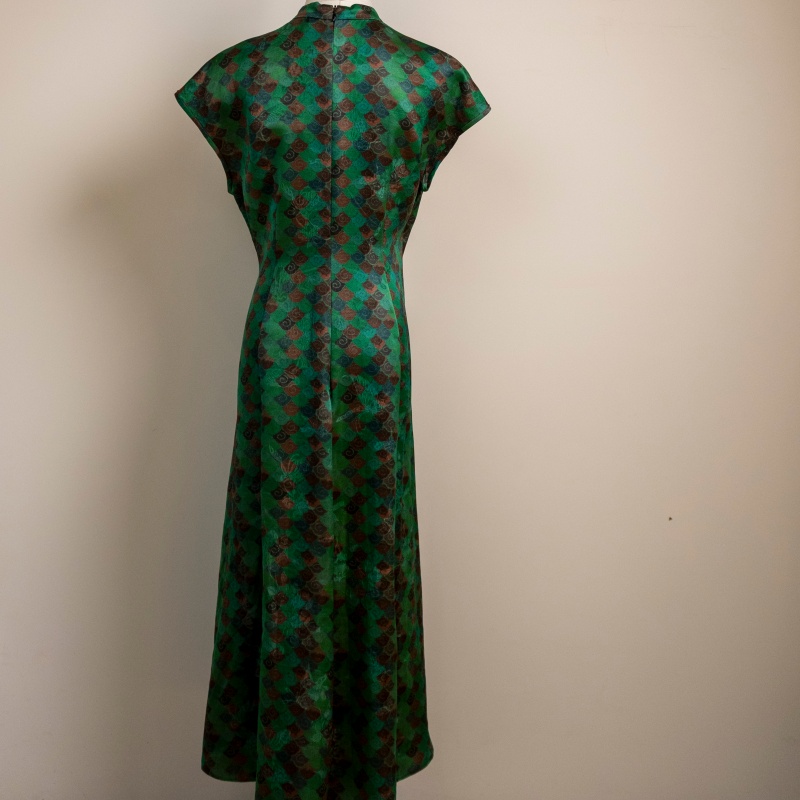
Precautions for Gentle Cleaning of Silk Kimono Made of Silkworm Silk
Gentle Cleaning Guide for Mulberry Silk Cheongsams That Actually Works
Mulberry silk cheongsams are the most delicate garments in any wardrobe. The fabric is fine, the dye is often hand-applied, and the construction relies on precision that falls apart the moment you treat it like regular clothing. Most damage to silk cheongsams doesn’t happen when you wear them — it happens when you wash them. The wrong water temperature, the wrong soap, the wrong drying method. Any one of these turns a beautiful garment into a wrinkled, faded mess within a single wash. This guide covers everything you need to know to clean mulberry silk cheongsams the right way, every time.
What Makes Mulberry Silk Different From Other Silk
The Fiber Itself Is More Fragile Than You Think
Mulberry silk is the highest quality silk available, which sounds like it should be the most durable. It’s not. The finer the fiber, the more delicate it becomes. Mulberry silk fibers are thinner and smoother than other silk varieties, which means they absorb water faster and lose strength when wet. A wet mulberry silk cheongsam stretches under its own weight. Hang it on a hanger while damp and the shoulders will droop within the hour.
The dye used on mulberry silk cheongsams is often less chemically bonded than factory dye. This means the color fades faster with improper washing. Harsh detergents, hot water, and aggressive agitation all strip color from mulberry silk at a rate that surprises most people. A cheongsam that looked vibrant after purchase can look washed out after just a few wrong washes.
Hand-Embroidered Areas Need Their Own Rules
If your cheongsam has any embroidery, the rules change again. Embroidery thread — whether silk, cotton, or metallic — absorbs water at a different rate than the base fabric. When you submerge the entire cheongsam, the embroidery soaks faster and dries slower. This mismatch creates tension between the embroidered section and the plain silk, which pulls threads loose over time.
Beaded embroidery is even more vulnerable. Beads add weight to specific points on the fabric. When wet, those weighted points pull the silk downward and distort the shape of the garment. A beaded cheongsam that’s washed the same way as a plain one will come out of the water looking warped.
The Only Water Temperature That Works
Lukewarm Is the Only Option — No Exceptions
Thirty to thirty-two degrees Celsius. That’s it. Not cold, not warm, not hot. Lukewarm. Test it with the inside of your wrist — if the water feels like nothing, it’s right. If it feels cool, it’s too cold. If it feels warm, it’s too hot.
Hot water shrinks mulberry silk permanently. The fibers contract and never return to their original length. Cold water doesn’t dissolve detergent properly, which leaves residue that attracts dirt after drying. Both extremes ruin the fabric in different ways.
Fill a clean basin — not a bathtub, not a sink with previous residue. A dedicated basin used only for silk is best. The water should be deep enough to fully submerge the cheongsam without folding it. Folded fabric doesn’t get cleaned evenly and creates crease lines that become permanent after drying.
Never Use Running Water Directly on the Fabric
Some people rinse silk under a gentle tap. Don’t. The force of running water agitates the fabric and pushes embroidery threads loose. Always submerge the cheongsam in still water and let the water do the work. If you need to rinse, pour water over the fabric from a cup or a bowl. Controlled, gentle, no force.
Detergent Selection — The Part Most People Get Wrong
Silk-Specific or Wool-Specific Detergent Only
Regular laundry detergent is alkaline. Silk is protein. Alkaline detergents break down protein fibers over time. After several washes with regular detergent, the silk becomes thin, brittle, and prone to tearing. You won’t notice it after the first wash. You will after the fifth.
Use a detergent made for silk or wool. Neutral pH, no enzymes, no bleach, no optical brighteners. Enzymes eat protein fibers. That means enzyme-based cleaners literally digest your cheongsam from the inside. If you can’t find a silk-specific detergent, clear liquid castile soap works as a substitute. Use half the amount you think you need. Too much soap leaves residue that yellows silk over time.
Never use fabric softener. It coats silk fibers and makes them stiff. Never use bleach. It strips dye instantly. Never use anything with fragrance. Fragrance chemicals bond with silk and never fully wash out, which attracts dirt and creates a dull smell over time.
The Washing Process — Slow and Gentle
Submerge and Wait — Don’t Touch for Two Minutes
Lower the cheongsam into the water slowly. Don’t drop it — dropping creates a splash that agitates the fabric. Let it sink naturally. Once submerged, leave it alone for two full minutes. The water needs time to penetrate the fibers and loosen surface dirt. Resist the urge to press or squeeze during this time.
After two minutes, start pressing water through the fabric with your hands. Flat palms, gentle pressure, starting at the shoulders and working downward. You’re pressing water in and letting it flow through. You’re not rubbing. You’re not wringing. You’re not scrubbing. The entire process takes three to five minutes. That’s all the cheongsam needs.
Embroidered Sections Get a Different Treatment
Never press directly on embroidery. The raised stitches are fragile and direct pressure pulls threads loose. Instead, cup your hand under the embroidered area and let the water flow over it from the edges. If there’s a stain on the embroidery, dampen a soft white cloth with the soapy water and press the stain gently. Lift straight up. Do not drag the cloth across the fabric. Do not use a brush on raised embroidery — the bristles catch on threads and pull them free.
For beaded areas, let the water circulate around the beads. Don’t press the beads themselves. The weight of the beads when wet is enough to distort the fabric if you add hand pressure on top of it.
Rinse Exactly Twice
Drain the soapy water. Refill with clean lukewarm water. Submerge and press to release the soap. Drain. Refill a second time. Press again. Two rinses. That’s enough. A third rinse doesn’t make it cleaner — it just stresses the silk more.
After the second rinse, leave the cheongsam submerged for one final minute to release any remaining detergent. Then lift it out straight up. Let the excess water drip off naturally. Do not wring. Do not twist. Do not squeeze. Just lift and drip.
Drying — Where Most People Destroy Their Cheongsams
The Towel Roll Is Non-Negotiable
Lay a large, clean, dry towel flat. Place the cheongsam on top, still wet. Roll the towel up with the cheongsam inside like a burrito. Press gently along the length of the roll to absorb water. Do not twist. Do not wring. Just press. The towel pulls moisture out without stretching the silk.
Unroll onto a fresh dry towel. Smooth out every wrinkle while the fabric is still slightly damp. Start from the center and work outward. Silk is most pliable when damp, and this is your only chance to set the shape before it dries. Pay attention to the collar, the seams, the slit edges, and any embroidered areas.
Air Dry Flat in the Shade — No Exceptions
Never hang a wet cheongsam. Wet mulberry silk stretches under its own weight. The shoulders droop, the hem distorts, and the slit edges warp. Lay it flat on a drying rack in a shaded room with good airflow. No direct sunlight — UV breaks down silk fibers and fades dye within hours. No heaters — dry heat makes silk brittle. No fans on high — strong airflow can blow lightweight fabric off the rack.
Drying takes six to eight hours depending on humidity. If you’re in a hurry, place a fan on low setting about three feet away. That’s the maximum speed you should ever use.
Spot Cleaning Between Full Washes
Fresh Stains Have a Thirty-Minute Window
The moment a stain appears, you have about thirty minutes before it bonds with the silk fiber. For water-based stains like wine, juice, or tea, press with a damp white cloth — no soap. Lift straight up. Repeat until no more color transfers.
For oil-based stains like food grease, lipstick, or foundation, add one drop of clear dish soap to the water. Dish soap cuts through oil without damaging silk. Press and blot. Work from the outside edge of the stain inward to avoid spreading it.
For sweat stains, use the vinegar method. One part white vinegar to four parts cold water. Press gently on the stain. Let it sit for one minute, then rinse with plain water. Never use vinegar on embroidery — the acid weakens cotton thread over time.
Old Stains Need a Different Strategy
A stain that’s been sitting for more than twenty-four hours is probably permanent. Don’t keep scrubbing it — you’ll damage the fabric without removing the stain. For old sweat stains that have yellowed, try a baking soda paste. Apply it to the yellowed area, let it sit for fifteen minutes, then press with the vinegar-water solution. The baking soda breaks down the dried protein, and the vinegar lifts the residue. Rinse with plain water afterward.
This works on plain silk only. Keep baking soda away from embroidery. It stiffens thread and makes it brittle.
How Often Should You Actually Wash It
Not Every Wear Needs a Full Wash
If you wore the cheongsam for a few hours and didn’t sweat heavily, skip the full wash. Hang it in a well-ventilated area for a few hours to air out. Then sponge the interior — collar, underarms, waist — with a damp cloth. This removes body oils and light perspiration without submerging the garment in water.
Full hand washing should happen after every three to four wears maximum. Washing too frequently breaks down silk fibers faster than wearing them. The goal is to clean without over-cleaning.
If It Smells Fine, Just Air It Out
A cheongsam that smells like smoke or perfume doesn’t always need washing. Hang it in open shade with a breeze for a few hours. The airflow releases odor molecules without touching the fabric. Washing a cheongsam that doesn’t need it is the fastest way to age the fabric prematurely. Save the full wash for when the fabric actually needs it.