
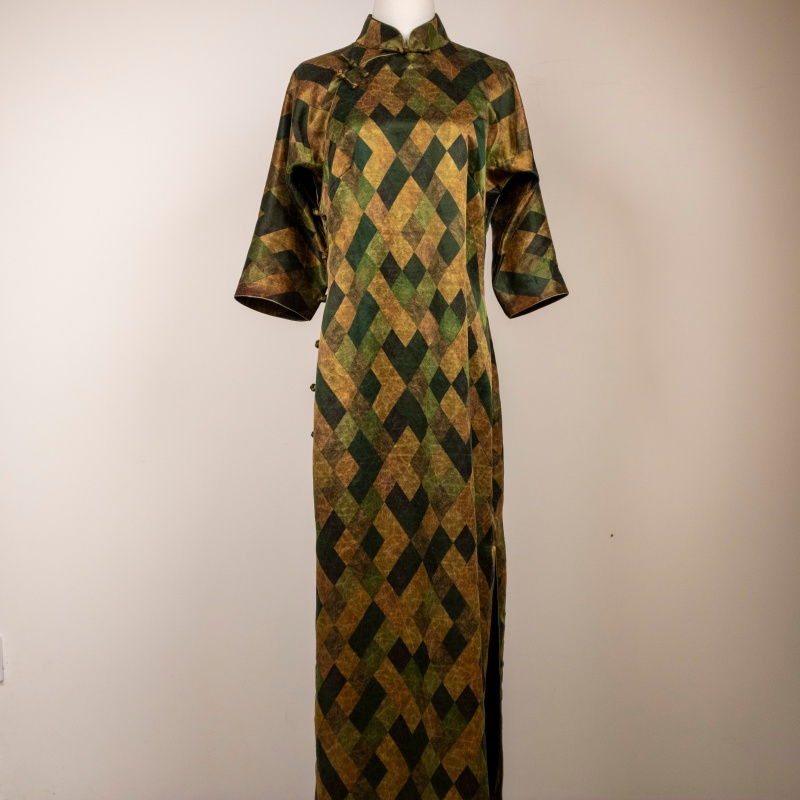
Simple and convenient cleaning method for silk cheongsam for household use
Silk Cheongsam Home Cleaning: Simple Methods That Actually Work Without Ruining the Fabric
Cleaning a silk cheongsam at home does not have to be complicated. It does not have to be scary. And it definitely does not require sending it to a professional every time you wear it. The problem is that most home cleaning advice for silk is either too vague to be useful or too aggressive to be safe.
This guide covers the simple, reliable methods you can use in your own bathroom or kitchen — with tools you already have. No special equipment. No expensive products. No guesswork. Just the right technique for the right stain, every time.
Why Most Home Cleaning Advice Gets Silk Cheongsam Wrong
Before you start cleaning, you need to understand why so many people damage their cheongsam the first time they try to wash it at home.
The “Just Hand Wash It” Trap
Everyone says hand wash your silk. Nobody tells you how. So you fill a basin, throw in some detergent, and scrub. That is not hand washing. That is destruction.
Silk cheongsam needs a specific water temperature, a specific detergent type, a specific amount of contact time, and zero friction. Most people get at least two of those four wrong on the first try. The result is a garment that looks fine after washing but feels different — stiffer, duller, less alive. The damage is invisible at first but it accumulates with every wrong wash.
Detergent Is the Most Common Mistake
Regular laundry detergent is alkaline. It is designed for cotton and polyester. On silk, alkaline detergent strips the sericin coating — the natural protective layer that gives silk its sheen and softness. One wash with regular detergent and the fabric starts to lose its luster. Five washes and it feels like satin, not silk.
The only detergent safe for silk cheongsam is neutral pH liquid detergent. Not powder. Not bar soap. Not dish soap. Liquid, neutral pH, and used in tiny amounts. That is the entire requirement.
The Basic Home Cleaning Routine for Light Soiling
If your cheongsam just needs a refresh — light dust, faint sweat marks, no visible stains — this is all you need.
The Cool Water Damp Cloth Method
Fill a basin with cool water. The temperature should be between 15 and 20 degrees Celsius. If the water feels cool on the inside of your wrist, it is right. If it feels neutral or warm, it is too hot.
Dip a clean white cloth into the water. Wring it out completely — it should be barely damp, not dripping. Lay the cheongsam flat on a clean surface. Press the damp cloth gently against the soiled area. Hold for five seconds. Lift. Move to a fresh section of the cloth. Press again.
Do not rub. Do not wipe. Do not swipe. Just press and lift. The cloth absorbs the dirt from the surface. For the collar and cuffs, use a cotton swab instead of a cloth — it gives you more control in tight spaces.
After pressing the entire garment, lay it flat on a dry towel and roll the towel up to absorb excess moisture. Hang the cheongsam on a padded hanger in the shade. Do not wring. Do not twist. Do not hang it while it is wet — the weight of the water will stretch the fabric and distort the shape.
The Spray Bottle Technique for Targeted Cleaning
For specific spots — a small stain on the front panel, a smudge on the sleeve — a spray bottle is faster and more precise than a basin.
Fill a spray bottle with cool water and add two or three drops of neutral pH liquid detergent. Shake gently. Spray the stained area lightly — one or two sprays, not a soaking. Let it sit for two to three minutes. Then press with a clean damp cloth. Lift the dirt. Rinse the area by spraying with plain cool water from a second bottle or a fresh cloth.
This method never saturates the fabric. It treats the stain without exposing the rest of the cheongsam to water. It is the safest way to handle small spills at home.
Removing Common Stains Without Professional Help
Stains are inevitable. The question is how you handle them. Most common stains on a silk cheongsam respond to simple home treatments — if you use the right one.
Sweat Stains on the Collar and Underarms
Sweat is the number one enemy of any silk cheongsam. It is acidic, it contains salt and urea, and it bonds to silk fiber within hours. The longer it sits, the harder it is to remove.
For fresh sweat stains, press the area with a cloth dampened with cool water and one drop of neutral detergent. Let it sit for five minutes. Rinse with a clean damp cloth. Blot dry.
For yellowed sweat stains that have been sitting for a day or more, use diluted ammonia. Mix one part clear household ammonia with ten parts cool water. Dampen a white cloth with the solution — never pour it directly on the cheongsam. Dab the yellow area gently from the outside edge inward. Blot with a clean damp cloth between dabs. Rinse thoroughly with cool water afterward. The ammonia neutralizes the acidic compounds in dried sweat and lifts the yellow without attacking the silk.
Oil Stains from Food or Cosmetics
Oil on silk requires a different approach than water-based stains. Water alone will not break down oil. It will spread it.
Sprinkle a thin layer of talcum powder or cornstarch directly on the oil stain. Let it sit for twenty minutes. The powder absorbs the oil from the fiber. Brush it off gently with a soft brush. Then press the area with a cloth dampened with cool water and one drop of neutral detergent. Rinse and blot dry.
If the oil stain is stubborn, use glycerin instead of powder. Apply a small amount of pure glycerin directly to the stain. Let it sit for twenty to thirty minutes. Glycerin breaks down oil at a molecular level without touching the silk fiber. Blot it away with a clean cloth, then rinse with cool water.
Water Rings and Faint Marks
Sometimes a cheongsam develops faint rings or marks that are not really stains — just residue from water or humidity. These look like dull patches on the fabric.
Dampen a cloth with cool water and press the affected area gently. The moisture alone is often enough to lift the mark. If it does not work, add one drop of white vinegar to the water — just one drop. The mild acidity dissolves mineral residue without harming the silk. Rinse immediately with plain cool water.
Deep Cleaning a Silk Cheongsam at Home Without Soaking
A full clean is needed when the cheongsam has been worn multiple times and needs more than a spot treatment. But full cleaning does not mean submerging it in a basin for thirty minutes. That is how you shrink silk.
The Two-Basin Soak Method
Fill one basin with cool water and two tablespoons of salt. Fill the second basin with plain cool water. Submerge the cheongsam in the salt water for five minutes. The salt helps lock in the dye and lift loose dirt. Then immediately transfer it to the plain water for five minutes. Repeat this cycle two more times.
After the final rinse, do not wring the cheongsam. Hold it by the shoulders and let the water drip off for thirty seconds. Then lay it flat on a dry towel, roll the towel to absorb moisture, and unroll. Hang on a padded hanger in the shade.
This method cleans the entire garment without ever agitating the fabric. No rubbing. No wringing. No stretching. Just salt, cool water, and patience.
The No-Soak Full Clean
If you do not want to submerge the cheongsam at all, use the no-soak method. Lay the cheongsam flat on a clean surface. Spray it lightly with the detergent solution from your spray bottle. Work in small sections — collar first, then front panel, then back, then sleeves.
Spray each section. Wait two minutes. Press with a clean damp cloth. Rinse the section with a cloth dampened with plain cool water. Pat dry with a dry towel. Move to the next section. The entire process takes about twenty to thirty minutes, but the cheongsam never touches a basin of water.
Handling Embroidered and Decorated Cheongsam at Home
A plain silk cheongsam is easier to clean. One with embroidery, beading, or frog buttons needs extra care — but you can still do it at home.
Never Submerge Embroidered Areas
Water gets under embroidery through the tiny needle holes and lifts the backing fabric. The result is puckering, loosening, and detachment. Clean embroidered sections with a damp cloth only. Press, do not rub. Work from the outside edge of any stain inward.
For oil stains near embroidery, use glycerin on a cotton swab. Dab the area around the embroidery, not on it. Let it sit for five minutes, then blot with a clean damp cloth.
Frog Buttons Need Fingertip-Only Contact
Frog buttons are hand-tied knots. They cannot handle any pulling or scrubbing. Use a damp cotton swab to reach into the gaps around each button. Dab gently. Do not pry. Do not pull. Rinse the swab frequently so you are not dragging dirt from one button to the next.
Beads and Sequins Cannot Take Any Friction
Clean around beads by pressing a damp cloth against the fabric next to the bead, not on the bead itself. Let the moisture seep under the bead and lift dirt from the base fabric. If a bead feels loose, leave it alone. Pulling it off will tear the fabric underneath.
Drying Your Silk Cheongsam the Right Way
How you dry the cheongsam matters as much as how you clean it. Wrong drying causes shrinkage, water spots, and permanent creases.
Never Use a Dryer
A dryer applies heat and mechanical force. Both destroy silk. The heat sets any remaining stains permanently. The tumbling stretches and distorts the shape. A silk cheongsam should never go in a dryer. Not even on a low setting. Not even for five minutes.
Hang in the Shade on a Padded Hanger
After cleaning, roll the cheongsam in a dry towel to remove excess moisture. Then hang it on a wide padded hanger — not a wire hanger, not a clip hanger. A padded hanger keeps the shoulders from developing bumps.
Hang it in the shade. Direct sunlight fades silk dye over time, even if the color is bonded. Indirect light is fine. Direct sun is not.
The cheongsam will take several hours to dry completely. Do not rush it. Do not use a hairdryer. Do not iron it while it is damp. Just let it hang and dry naturally.
Remove It From the Hanger While Still Slightly Damp
When the cheongsam is about eighty percent dry — still slightly damp to the touch but not dripping — take it off the hanger and lay it flat on a clean surface. Smooth out any wrinkles with your hands. Let it finish drying flat. This prevents crease lines from setting into the fabric.
How Often Do You Actually Need to Clean a Silk Cheongsam
You do not need to wash a silk cheongsam after every wear. Over-washing is just as damaging as under-washing.
Spot Clean After Every Wear
A quick press with a damp cloth on the collar, cuffs, and any visible stains takes sixty seconds. This removes sweat and oil before they set. It is the single most effective habit you can build.
Full Clean Every Five to Ten Wears
A full home clean — using one of the methods above — is needed every five to ten wears, depending on how often you wear it and how much it is exposed to sweat, dust, and spills. If you wear it to formal events and it only touches your skin for a few hours, ten wears is fine. If you wear it daily in summer, clean it every five wears.
Professional Clean Once or Twice a Year
Even with perfect home care, a silk cheongsam benefits from a professional cleaning once or twice a year. A professional has access to solvent-based cleaners and controlled equipment that can remove deep stains without any water contact. It is not a sign that your home cleaning failed. It is maintenance, like getting a car serviced.
The tools you need are already in your house. A basin, a spray bottle, a white cloth, neutral pH liquid detergent, talcum powder, glycerin, and ammonia. That is it. No special products. No complicated steps. Just the right method for the right situation, applied with patience and zero force.