
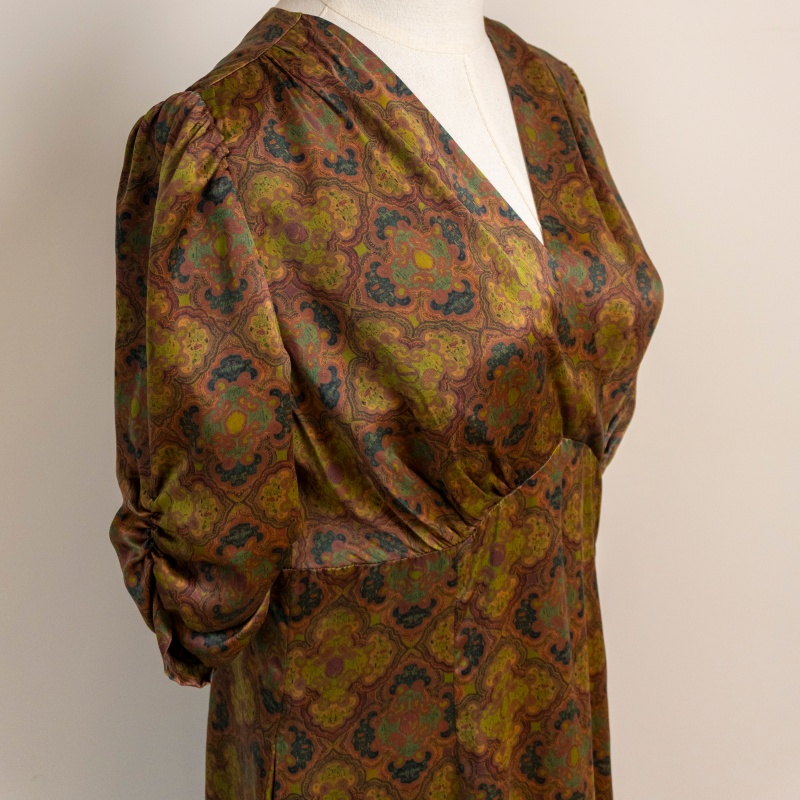
Silk cheongsam drying to prevent dust contamination skills
Here is the natural, SEO-optimized content focused on practical anti-dust tips for drying silk cheongsams, with no brand mentions, pricing or Chinese characters.
Prepping the Drying Space to Cut Down Floating Dust
Clear the entire area where you plan to hang your silk cheongsam of loose fabric scraps, paper clutter and any items that can stir up fine dust when moved. Wipe down nearby shelves, window sills and hanging rods with a slightly damp soft cloth an hour before you set out the cheongsam, to catch all settled dust particles before they can drift onto the wet fabric. Shut off any nearby ceiling fans, portable air circulators or open windows that pull in outdoor dust, and keep the room’s air flow soft and still enough that no loose particles get kicked up into the air. Avoid walking back and forth near the drying spot too often while the cheongsam is still damp, as foot traffic can send tiny hidden dust clouds rising toward the hanging silk.
Simple Barriers to Keep Dust Off Damp Silk
Drape a large, clean, lightweight cotton sheet loosely over the entire drying cheongsam, leaving small gaps at the bottom and sides to let air circulate freely while blocking floating dust from touching the fabric. Make sure the sheet does not press tight against the surface of the damp silk, so no lint from the cotton transfers onto the cheongsam as it dries. You can also position the hanging cheongsam inside a quiet, low-traffic section of the room that sits far from doorways, where most incoming dust flows through when people enter and exit. Never leave the uncovered damp silk out in open areas near kitchens, craft spaces or living rooms that see heavy daily activity, as these spots hold far more floating dust that sticks easily to wet fabric.
Quick Daily Habits for Low-Dust Drying
Shake out the drying sheet you use for silk garments outside the room right before each use, to remove any trapped dust or lint that built up since your last wash. Do not lay the damp cheongsam directly on open surfaces like tables, counters or unwashed towels while it dries, as these spots often hold hidden fine dust you cannot see at first glance. Check the cheongsam gently with a soft, clean feather duster only after it is fully dry, to brush off any tiny stray dust particles that landed on the surface during the drying process. Never leave a half-dried silk cheongsam unattended for hours in a dusty room, as the damp fibers will grab and hold onto every small floating dust speck that passes by.