
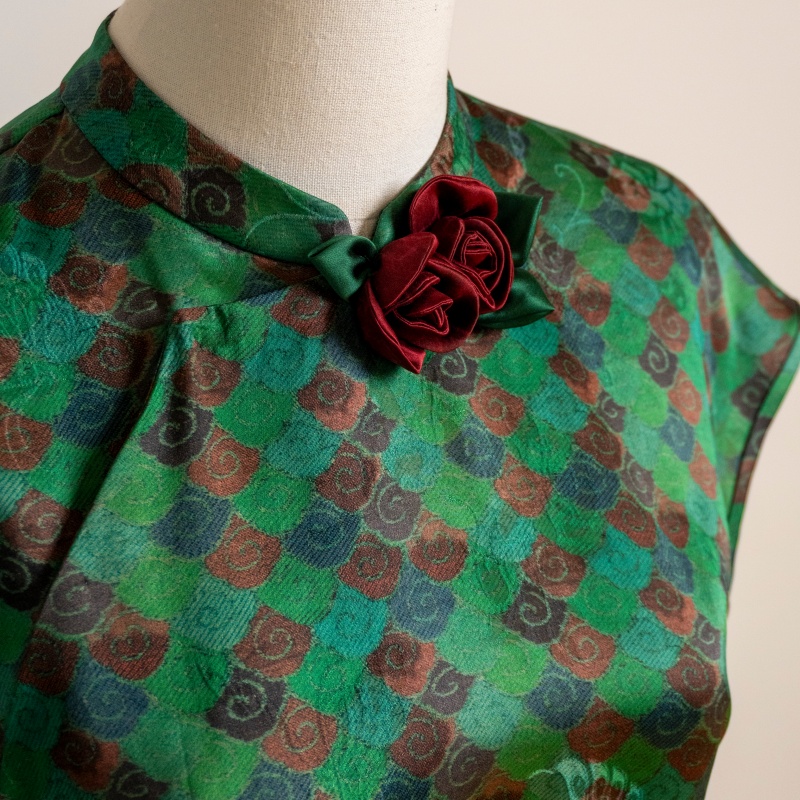
Precautions for Low-Temperature Drying of Silk Qipao
Here is the natural, SEO-aligned content focused on low-temperature drying precautions for silk cheongsams, with no brand references, pricing or Chinese characters.
Pre-Drying Fabric Checks Before You Start
Inspect every inch of the cheongsam for loose threads, unstitched seams or delicate hand-embroidered details before placing it in the drying space, to make sure no small elements catch or pull during the gentle tumble process. Fasten all tiny buttons, hidden snaps and small hook closures along the placket and collar, so these hard details do not scratch or snag the soft silk fibers as the garment moves. Turn the cheongsam completely inside out, so the outer vibrant dyed surface of the silk does not rub against other fabrics or hard edges during the drying cycle. Double check that no leftover traces of harsh detergent, stain remover or fabric softener remain on the fabric, as these residues can set into permanent dull spots when exposed to even low levels of warm air.
Setting the Correct Low-Temperature Parameters
Confirm the drying environment stays strictly below the safe heat threshold for delicate silk, with no sudden spikes in temperature that can shock the natural protein fibers. Select the shortest possible gentle cycle that removes excess dampness without running for extended stretches of time, to avoid unnecessary friction on the silk surface. Turn off any automatic high-heat finishing or steam settings that come as default options, as these hidden bursts of warmth can cause uneven shrinking along the tailored seams and curved hems. Keep the total drying time limited to just long enough to leave the fabric slightly damp to the touch, instead of running the cycle until the cheongsam is completely bone dry.
Loading and Surrounding Space Rules
Place the silk cheongsam into the drying space on its own, with no heavy denim, thick towels or rough woven garments added in the same batch that can abrade the smooth silk surface. Leave plenty of empty room around the cheongsam so it can tumble loosely without getting bunched up or twisted into tight folds that set permanent deep creases. Make sure the interior of the drying drum or space is completely clean and free of leftover lint, loose debris or stray dye stains from previous loads that could transfer onto the light silk fabric. Never overcrowd the drying space, as too little room for movement will create unnecessary friction that fades the cheongsam’s color and weakens fine threads over time.
Post-Drying Steps Right After the Cycle Ends
Take the cheongsam out the moment the low-temperature cycle finishes, before it sits crumpled in the warm enclosed space long enough for wrinkles to set deep into the fabric. Hang it immediately on a wide, smooth hanger in a well-ventilated, shaded area, and gently pull the seams and collar back to their original tailored shape with your fingertips. Let the last small traces of dampness air dry naturally in soft moving air, instead of running the cheongsam through a second low-temperature cycle. Inspect the full garment for any slight signs of stretching or uneven texture right after you take it out, so you can smooth out small issues before they become permanent changes to the cheongsam’s custom fit.