
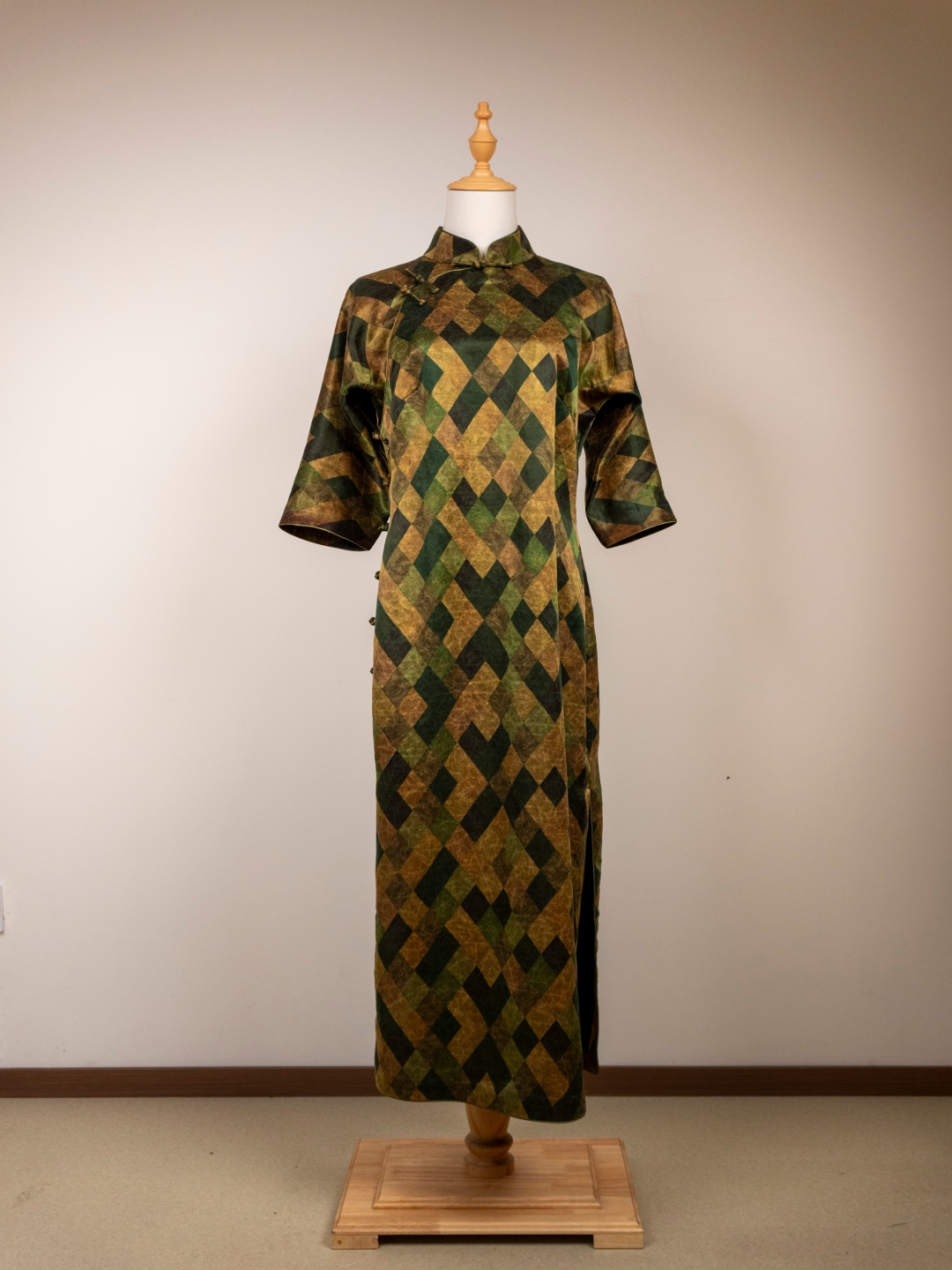
Proper Precautions for Accurate Measurement of the Dimensions of Handmade Cheongsam
Key Considerations for Accurately Measuring Bust, Waist, and Hips for Handmade Cheongsams
Creating a handmade cheongsam that fits flawlessly hinges on precise measurements of the bust, waist, and hips. These three dimensions form the foundation of the garment’s silhouette, ensuring it drapes elegantly and complements your natural curves. Below are essential tips to help you capture these measurements correctly, avoiding common pitfalls that could lead to ill-fitting results.
Preparing for Measurement: Setting the Stage for Accuracy
Wear the Right Undergarments
The type of undergarments you wear during measurement significantly impacts the final fit. Opt for the bra and shapewear you intend to pair with the cheongsam, as these can alter your bust and waist proportions. A padded bra might increase bust size, while high-waisted shapewear can smooth the waist-hip transition. Consistency in undergarments ensures measurements remain relevant throughout the tailoring process.
Stand Naturally and Relax
Your posture affects how measurements are taken. Stand straight with your feet together, shoulders relaxed, and arms hanging naturally by your sides. Avoid tensing your muscles or sucking in your stomach, as this creates an unnatural silhouette. A relaxed stance allows the tape to capture your true body shape, leading to a cheongsam that fits comfortably in all positions.
Use a Flexible, Non-Stretch Tape
The tool you use matters. A stiff or stretchy measuring tape can distort readings, resulting in inaccuracies. Choose a soft, flexible tape that conforms to your body’s curves without pulling or sagging. This ensures measurements reflect your actual dimensions, not the tape’s behavior.
Bust Measurement: Capturing the Fullest Part
Locate the Fullest Point
The bust measurement should be taken at the widest part of your chest, typically across the nipples. To find this spot, raise your arms slightly and observe where your bust protrudes most. This area may shift depending on your body type, so take a moment to confirm the correct location before measuring.
Wrap the Tape Snugly but Comfortably
Place the tape around your bust, ensuring it sits parallel to the floor. The tape should be firm enough to stay in place but not so tight that it compresses your breast tissue. A common mistake is pulling the tape too tightly, which leads to a smaller measurement and a cheongsam that feels restrictive. Breathe normally during this step to maintain a natural fit.
Measure Multiple Times for Consistency
Human error is inevitable, so repeat the bust measurement 2–3 times to ensure consistency. If the numbers vary slightly, take the average as your final measurement. This reduces the risk of errors caused by shifting posture or tape placement.
Waist Measurement: Finding the Natural Indentation
Identify Your Natural Waist
The waist is often the trickiest area to measure, as it’s not always where you think it is. To locate your natural waist, bend sideways at the hips—the crease that forms is your waistline. Alternatively, tie a thin ribbon or elastic around your midsection and observe where it settles naturally. This is where the cheongsam’s high-waisted design will cinch elegantly.
Keep the Tape Level
Once you’ve found your waist, wrap the tape around it, ensuring it stays parallel to the floor. A tilted tape can result in an uneven measurement, leading to a cheongsam that sits crookedly. Check the tape’s alignment in a mirror or ask a friend to verify its position.
Avoid Sucking in Your Stomach
It’s tempting to flatten your abdomen during measurement, but this creates an unrealistic silhouette. The cheongsam should fit your body as it is, not as you wish it were. Stand normally and let the tape capture your natural waist shape, even if it’s slightly fuller than expected. A tailor can later adjust the fit to flatter your figure without compromising comfort.
Hip Measurement: Accounting for Fullness and Movement
Measure Around the Fullest Part
The hip measurement should be taken at the widest point of your hips and buttocks, usually 7–9 inches below your natural waist. This area ensures the cheongsam’s skirt flows smoothly without pulling or bunching. To find the fullest part, stand with your feet together and observe where your hips protrude most.
Include the Backside
A common oversight is measuring only the front of the hips, neglecting the backside. Wrap the tape 360 degrees around your body, ensuring it captures the full circumference of your hips and buttocks. This holistic approach prevents a cheongsam that’s tight across the back or too loose in the front.
Allow for Movement
The cheongsam’s hip area should accommodate sitting, walking, and other movements. Add 1–2 cm to your hip measurement if you prefer a looser fit or plan to wear the dress for extended periods. This extra room ensures comfort without sacrificing the garment’s structured elegance.
By following these guidelines, you’ll provide your tailor with the precise measurements needed to craft a handmade cheongsam that fits like a dream. From the bust’s graceful curve to the hip’s fluid drape, every detail will reflect your unique body shape and the artistry of custom tailoring.