
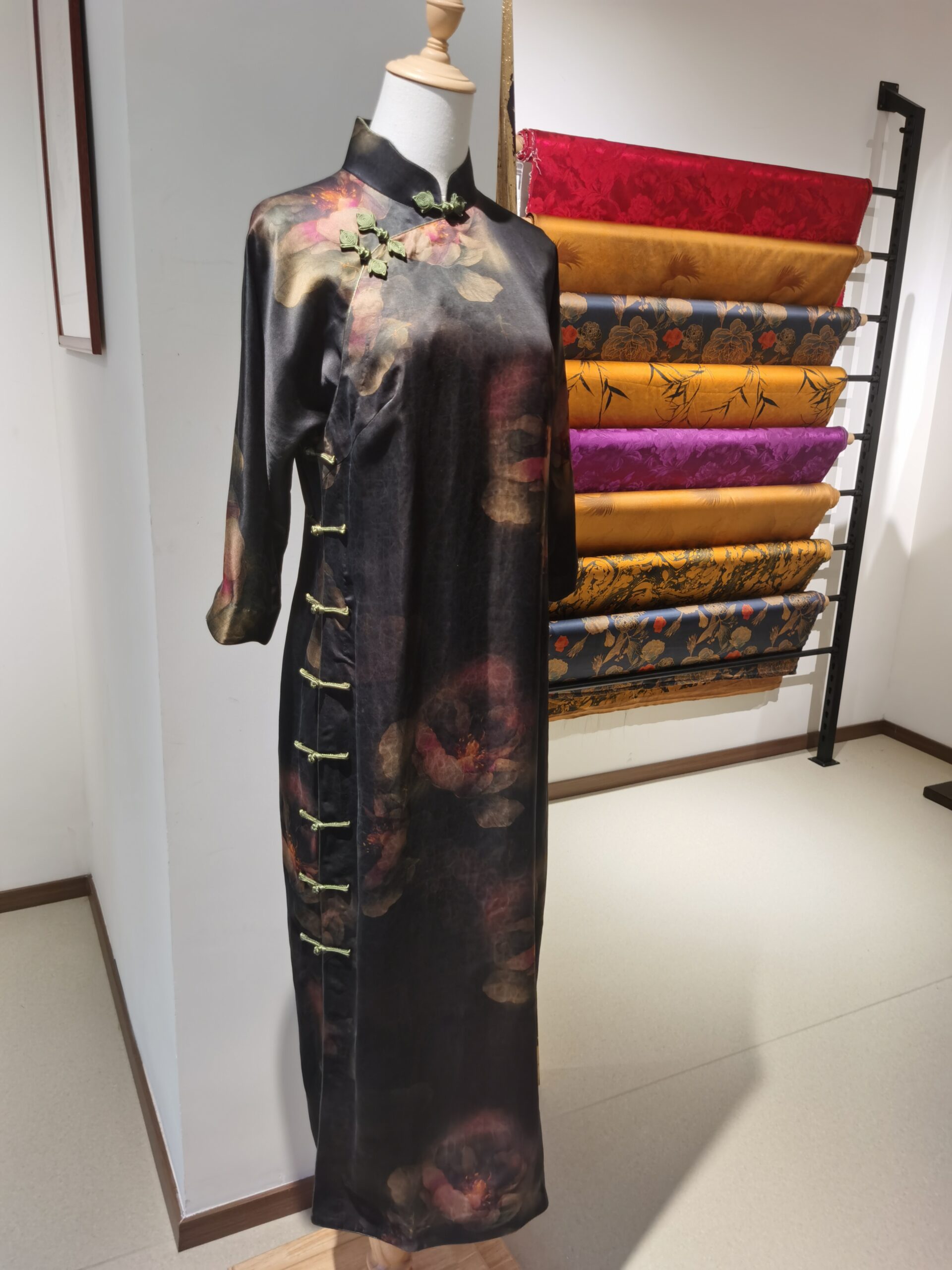
Steps for measuring the shoulder width of a silk cheongsam
How to Measure Shoulder Width Accurately for Silk Cheongsams: A Step-by-Step Guide
Shoulder width is a critical measurement for silk cheongsams, as it determines how the garment sits on your frame and influences the overall balance of the design. An ill-fitting shoulder can lead to discomfort, restricted movement, or an unflattering silhouette. Below are detailed steps to ensure you capture this measurement correctly, helping your tailor create a cheongsam that drapes elegantly from every angle.
Preparing for Shoulder Measurement: Setting the Right Conditions
Wear Lightweight, Form-Fitting Clothing
The clothing you wear during measurement can affect accuracy. Avoid bulky sweaters or padded jackets, as they add unnecessary width. Instead, opt for a thin, fitted top or go shirtless if comfortable. This allows the measuring tape to sit close to your skin, capturing your true shoulder dimensions without interference.
Stand in a Natural, Relaxed Posture
Your posture impacts how shoulders are measured. Stand straight with your feet shoulder-width apart, arms hanging loosely by your sides, and shoulders relaxed. Avoid tensing your muscles or hunching forward, as this alters the natural shape of your shoulders. A relaxed stance ensures the measurement reflects your everyday posture, leading to a better-fitting cheongsam.
Use a Flexible, Non-Stretch Measuring Tape
The tool you use matters. A stiff or stretchy tape can distort readings, resulting in inaccuracies. Choose a soft, flexible tape that conforms to your body’s curves without pulling or sagging. This ensures the measurement is precise and consistent, reducing the risk of errors during the tailoring process.
Locating the Shoulder Points: The Foundation of Accuracy
Identify the Top of the Shoulder Bone
The shoulder measurement should start at the outermost edge of one shoulder, where the bone protrudes slightly. This point is often referred to as the “acromion process” and is easy to locate by feeling for the bony bump at the top of your shoulder. Use your fingers to press gently until you find the exact spot.
Mark the Starting Point Temporarily
To avoid confusion, mark the starting point with a small piece of tape or a washable marker. This helps you remember where to place the measuring tape, especially if you’re measuring yourself without assistance. Ensure the mark is visible but doesn’t alter the natural shape of your shoulder.
Repeat on the Opposite Shoulder
Shoulder width is rarely perfectly symmetrical, so measure both shoulders separately. Use the same method to locate the top of the shoulder bone on the other side and mark it temporarily. This step ensures you capture any slight differences between your shoulders, allowing your tailor to adjust the cheongsam accordingly.
Taking the Measurement: Technique and Precision
Place the Tape Horizontally Across Your Back
Once both shoulder points are marked, position the measuring tape horizontally across your back. Start at the marked point on one shoulder and stretch the tape to the marked point on the opposite shoulder. Keep the tape parallel to the floor to ensure an even measurement. A tilted tape can result in an inaccurate reading, leading to a cheongsam that sits unevenly.
Avoid Pulling the Tape Too Tight
The tape should sit snugly against your skin but not compress the tissue. Pulling it too tightly can create a smaller measurement, resulting in a cheongsam that feels restrictive across the shoulders. Conversely, a loose tape may lead to a garment that slides off or appears ill-fitting. Aim for a firm yet comfortable fit that allows natural movement.
Measure Multiple Times for Consistency
Human error is inevitable, so repeat the shoulder measurement 2–3 times to ensure accuracy. If the numbers vary slightly, take the average as your final measurement. This reduces the risk of mistakes caused by shifting posture or tape placement. Consistency is key to achieving a cheongsam that fits perfectly.
Advanced Tips for Special Cases
Adjusting for Sleeve Styles
If your cheongsam will feature specific sleeve designs, such as cap sleeves or puffed sleeves, communicate this to your tailor. These styles may require slight adjustments to the shoulder measurement to ensure the sleeves sit correctly. For example, cap sleeves need a more precise shoulder fit to avoid gaping, while puffed sleeves may allow for a looser measurement.
Accounting for Posture Variations
Some individuals have rounded shoulders or a forward head posture, which can affect shoulder measurement. If you notice your shoulders slouch forward, ask a friend to help measure while you maintain a corrected posture. Alternatively, measure in front of a mirror to ensure the tape stays level and your shoulders remain relaxed.
Considering Fabric Behavior
Silk, while luxurious, has a natural drape that can influence how the cheongsam sits on your shoulders. Discuss with your tailor whether you prefer a structured or relaxed shoulder fit. A structured fit may require a slightly smaller measurement to maintain shape, while a relaxed fit allows for more movement and a softer silhouette.
By following these steps, you’ll provide your tailor with the precise shoulder measurement needed to craft a silk cheongsam that fits beautifully and enhances your natural elegance. From the graceful drape of the sleeves to the balanced proportions of the bodice, every detail will reflect your unique body shape and the artistry of custom tailoring.