
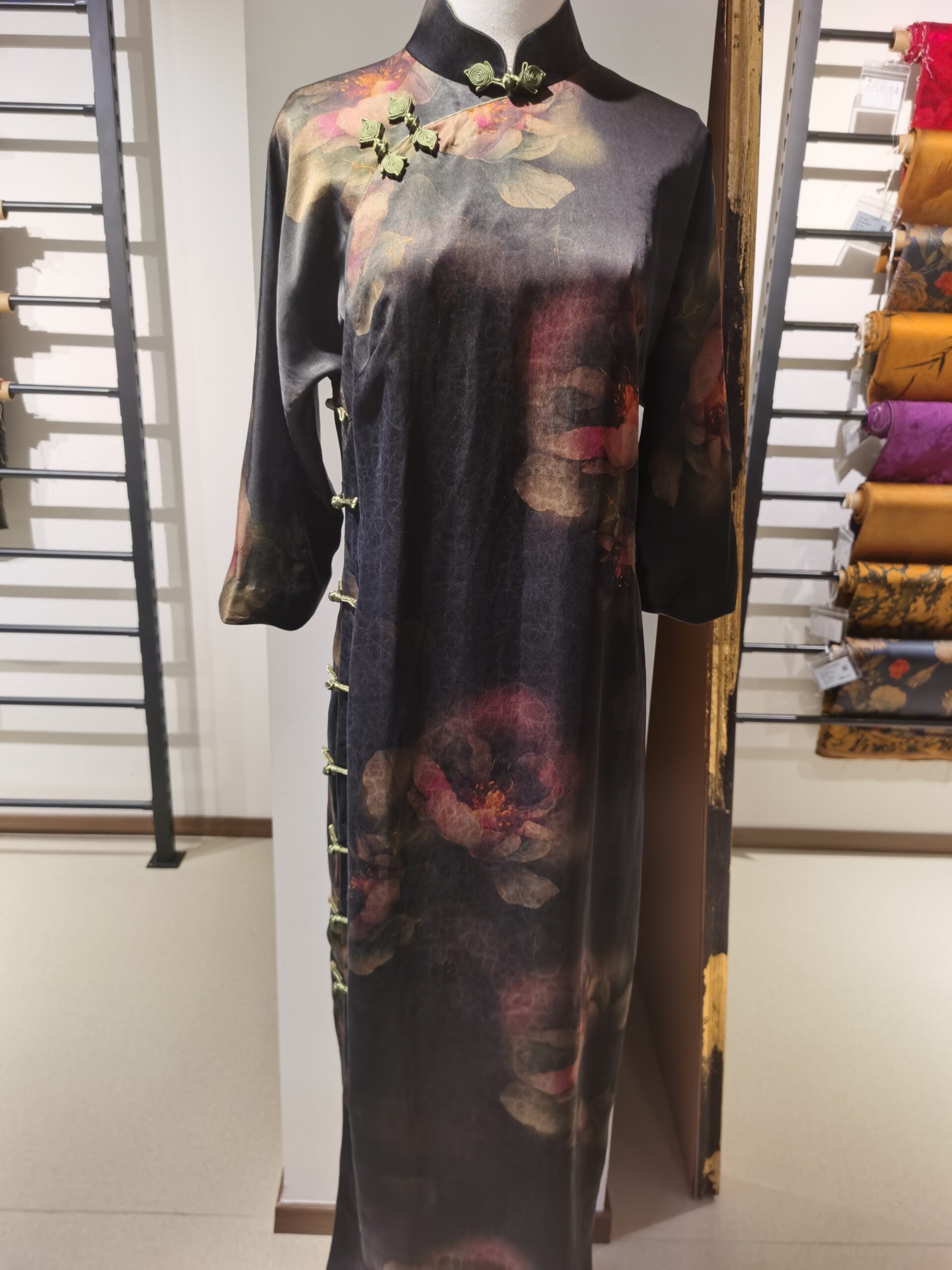
Tips for Measuring the Length and Fit of Cheongsam Sleeves
Essential Tips for Measuring Sleeve Length Accurately for Cheongsams
Sleeve length is a defining feature of cheongsam design, influencing both comfort and aesthetic appeal. A well-fitted sleeve enhances the garment’s elegance, while an ill-fitting one can disrupt its silhouette or restrict movement. Whether you prefer short, three-quarter, or long sleeves, mastering the measurement process ensures your cheongsam drapes flawlessly. Below are detailed techniques to help you capture sleeve length with precision.
Preparing for Sleeve Measurement: Setting the Stage for Success
Wear a Fitted Garment or Go Bare-Armed
The clothing you wear during measurement affects accuracy. Avoid loose or bulky sleeves, as they add extra fabric that distorts readings. Instead, opt for a thin, form-fitting top or remove your shirt entirely. This allows the measuring tape to sit close to your skin, capturing your true arm shape without interference.
Stand in a Relaxed, Natural Posture
Your posture impacts how sleeves fit. Stand straight with your feet shoulder-width apart, arms hanging loosely by your sides, and shoulders relaxed. Avoid tensing your muscles or bending your elbows, as this alters the natural curve of your arms. A relaxed stance ensures the measurement reflects your everyday arm position, leading to a better-fitting cheongsam.
Use a Soft, Flexible Measuring Tape
The tool you choose matters. A stiff or stretchy tape can skew measurements, resulting in inaccuracies. Select a soft, non-stretch tape that conforms to your arm’s contours without pulling or sagging. This ensures the measurement is precise and consistent, reducing the risk of errors during tailoring.
Short Sleeve Measurement: Capturing the Perfect Crop
Locate the Shoulder Seam or Bone
For short sleeves, start by identifying the top of your shoulder. If measuring a garment, find the shoulder seam where the sleeve attaches to the bodice. If measuring your body, locate the acromion process—the bony bump at the outer edge of your shoulder. This point serves as the starting reference for short sleeve length.
Measure Down to the Desired End Point
Short sleeves typically end above the elbow, but the exact length depends on personal preference. Decide where you want the sleeve to stop—whether it’s mid-bicep, just above the elbow, or closer to the armpit. Place the tape at the shoulder point and stretch it down to your chosen end point, keeping it parallel to your side. Ensure the tape follows the natural curve of your arm without pulling too tight.
Account for Arm Movement
Short sleeves should allow freedom of movement. Bend your elbow slightly during measurement to mimic natural arm positioning. This ensures the sleeve doesn’t ride up or feel restrictive when you move. If you plan to wear the cheongsam for activities like dancing or reaching, add a small allowance (0.5–1 cm) to the measurement for comfort.
Three-Quarter Sleeve Measurement: Balancing Elegance and Practicality
Start at the Shoulder Seam or Bone
Like short sleeves, three-quarter sleeves begin at the top of the shoulder. Use the same method to locate the shoulder point, whether referencing a garment’s seam or your body’s bone structure. This consistency ensures proportional sleeves that complement the cheongsam’s design.
Measure Down to the Elbow’s Midpoint
Three-quarter sleeves usually end around the mid-forearm, but the most flattering length often aligns with the elbow’s midpoint. Place the tape at the shoulder point and stretch it down to this area, keeping it parallel to your arm. To find the midpoint, bend your elbow at a 90-degree angle and measure halfway between the elbow crease and the wrist. This creates a sleek, elongated look.
Adjust for Sleeve Style
Three-quarter sleeves come in various styles, such as fitted, flared, or bell-shaped. Discuss your preferred style with your tailor, as it may influence the measurement. For example, fitted sleeves require a closer measurement to avoid gaping, while flared sleeves need extra fabric allowance at the end. Clearly communicate your vision to ensure accurate tailoring.
Long Sleeve Measurement: Achieving a Graceful Drape
Begin at the Shoulder Seam or Bone
Long sleeves also start at the top of the shoulder. Use the shoulder point as your reference to maintain symmetry across both sleeves. This step is crucial for cheongsams with structured designs, as uneven sleeves can disrupt the garment’s balance.
Measure Down to the Wrist Bone
Long sleeves typically end at the wrist bone, but some styles extend slightly beyond for a dramatic effect. Decide your preferred end point and place the tape at the shoulder point. Stretch it down to your wrist, keeping it parallel to your arm. If you want the sleeve to cover part of your hand, measure to the base of your thumb instead.
Consider Wrist Circumference
Long sleeves should fit comfortably around the wrist without being too tight or loose. After measuring the length, wrap the tape around your wrist to determine its circumference. Share this measurement with your tailor to ensure the sleeve opening is proportionate. A well-fitted wrist allows the sleeve to stay in place without sliding up or down.
Advanced Tips for Special Cases
Adjusting for Sleeve Fullness
If your cheongsam features puffed, bishop, or lantern sleeves, the measurement process differs slightly. These styles require extra fabric to create volume, so measure the length as usual but add allowance for fullness. Discuss the desired fullness level with your tailor to determine how much extra fabric is needed.
Accounting for Body Proportions
Individuals with longer or shorter arms relative to their torso may need adjusted sleeve lengths. Compare your arm length to standard measurements or consult a tailor for guidance. For example, if your arms are shorter than average, you might prefer sleeves that end just above the wrist to avoid a crowded look.
Testing Measurements on a Mock-Up
If possible, ask your tailor to create a mock-up sleeve using inexpensive fabric. Try it on to assess the fit, length, and comfort before finalizing the cheongsam. This step allows for adjustments without wasting silk or other costly materials, ensuring the final garment meets your expectations.
By following these techniques, you’ll provide your tailor with the precise sleeve measurements needed to craft a cheongsam that fits beautifully and enhances your natural elegance. From short, playful crops to long, dramatic drapes, every sleeve will reflect your unique style and the artistry of custom tailoring.