
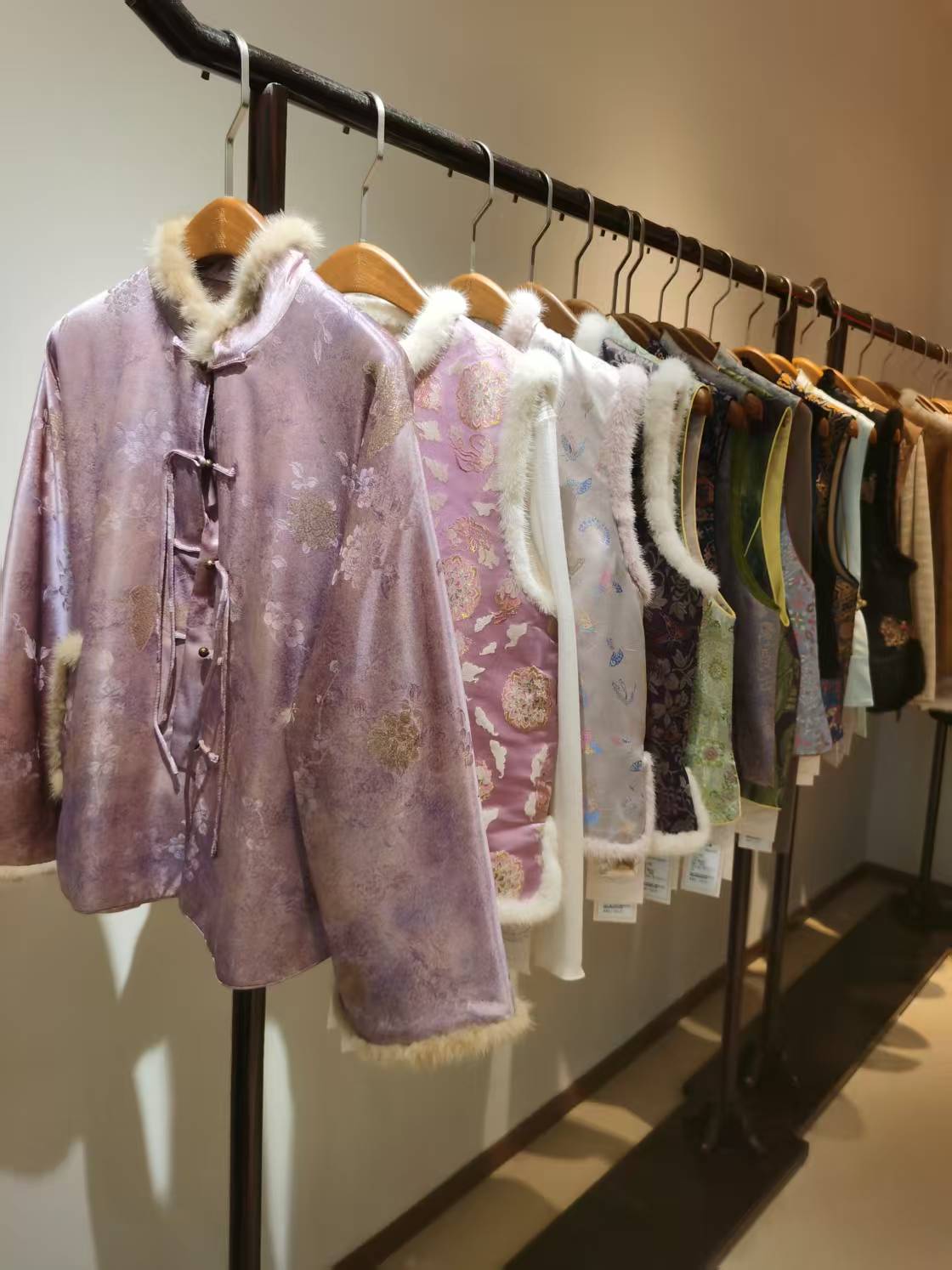
Selection methods for dry cleaning and water washing of silk cheongsam
Silk Qipao: Dry Clean or Wash at Home? A Practical Guide
Your silk qipao is not just a dress — it is a piece of artistry. The way you clean it can mean the difference between preserving its luster for decades or watching it shrink, fade, or lose its shape after a single wash. So the real question is not if you should clean it, but how.
Understanding What Your Qipao Is Actually Made Of
Before you even think about water or solvent, look at the fabric. Most qipaos fall into one of these categories:
Pure Silk
This is the classic choice — smooth, breathable, and absolutely unforgiving when it comes to water. Silk is a protein fiber, which means it reacts badly to heat, alkaline detergents, and agitation. Water can cause color bleeding, stiffness, and even permanent shrinkage. If your qipao is made from dupioni, charmeuse, mulberry, or tussah silk, dry cleaning is almost always the safer bet.
Satin, Brocade, and Velvet
These fabrics carry their own risks. Brocade woven with metallic threads can fray or lose its structure in water. Velvet is plush but extremely sensitive to crushing and water spots. Satin has a glossy front that dulls easily. For all three, gentle handling is non-negotiable — and that usually means professional care.
Cotton or Faux Silk Blends
Here is where you get some breathing room. Cotton qipaos can handle cold water hand washing or even a gentle machine cycle. Faux silk (polyester-based) is more forgiving too, though it snags easily and builds static. If your qipao has no heavy embroidery or beading, you may be able to wash it at home safely.
When Dry Cleaning Is the Only Right Answer
Dry cleaning uses chemical solvents instead of water to lift dirt and oil. It protects the fiber structure, preserves shape, and handles stubborn stains like makeup, cooking oil, and ink far better than any home wash ever could.
Go with dry cleaning if:
- Your qipao has heavy embroidery, beading, or sequins
- The fabric is pure silk, brocade, or velvet
- There are dark colors or contrasting patterns that could bleed
- The care label says “Dry Clean Only” (not just “Dry Clean” — there is a difference)
One quick test can tell you if your silk can survive hand washing: scrunch the fabric into a ball and release it. If it springs back smooth, you may be okay. If it stays wrinkled and creased, put it down and walk to the cleaner.
How to Hand Wash a Silk Qipao Safely at Home
If you have decided to take the risk — and for lightly soiled, solid-colored silk pieces, it can work — follow these rules exactly.
Prepare the Right Water and Detergent
Fill a basin with cold or lukewarm water. Never use hot water — it kills silk fibers. Add a few drops of pH-neutral detergent made specifically for delicates. No chlorine bleach. No laundry powder. No regular soap. Alkaline products will make the fabric stiff and discolored.
Wash With Zero Aggression
Turn the qipao inside out first. Test a hidden seam with a little water to check for color bleeding. Submerge briefly — 3 to 5 minutes maximum — and gently press the fabric. Do not rub, scrub, wring, or twist. The collar, underarms, and frog button areas need extra care. Rinse thoroughly with clean cool water.
Dry It the Right Way
After washing, roll the qipao in a towel to absorb excess moisture. Do not wring. Then hang it on a padded or cloth-covered hanger — metal hangers leave rust stains. Dry in the shade, never in direct sunlight. UV exposure denatures silk protein, causing yellowing and decay over time.
Storing Your Qipao the Way It Deserves
Cleaning is only half the battle. How you store your qipao matters just as much.
Use a wide padded hanger to avoid shoulder divots. If the qipao is heavily constructed or knitted, store it flat to prevent distortion. Keep it in a breathable cloth bag — never plastic, which traps moisture and causes mildew. Store away from direct light, damp areas, and sharp objects. And keep it separate from fur or spun silk, which can transfer oils and damage the fabric.
The Honest Bottom Line
If your qipao is pure silk with any embellishment, dry cleaning is not a luxury — it is a necessity. Water is the enemy of protein fibers, and one wrong wash can permanently ruin the shape, color, and texture. For cotton or faux silk versions without complex details, a careful cold-water hand wash can work just fine. But when in doubt, treat it like silk. That single precaution will save you from a very expensive mistake.