
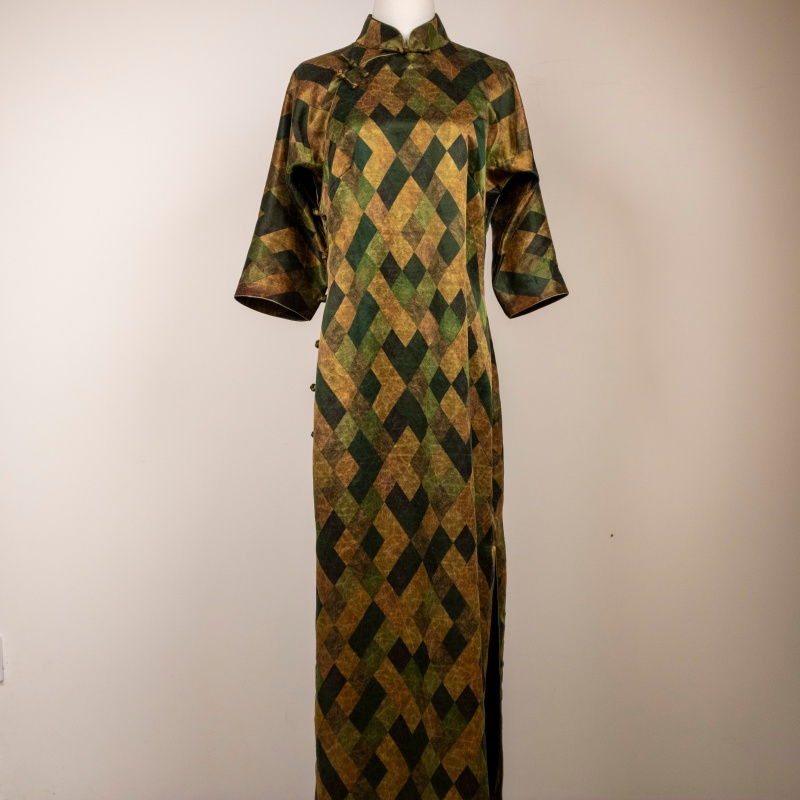
Silk cheongsam gentle cleaning and color preservation method
Silk Cheongsam Care: Gentle Washing and Color Protection Guide
A silk cheongsam is more than a garment — it is a second skin. The luster, the drape, the way it moves with your body — all of that depends entirely on how you treat it. Too many people ruin a stunning cheongsam in the very first wash. The good news? With the right approach, you can keep it soft, vibrant, and flawless for years.
Why Silk Cheongsam Demands a Different Washing Routine
Silk is a protein fiber. That single fact changes everything. It reacts badly to alkali, heat, and harsh agitation. Regular detergent? Too alkaline. Hot water? Destroys the fiber structure. Machine cycles? Far too rough. The result is a cheongsam that loses its shine, feels stiff, and fades faster than it should.
The golden rule is simple: treat it like something alive — because in many ways, it is.
The Right Way to Wash Your Silk Cheongsam
Water Temperature and Soaking Time
Stick to cold or lukewarm water — never exceed 30°C (86°F). Soaking time should be no longer than 5 minutes for routine cleaning. Some sources allow up to 15 minutes for heavily soiled pieces, but for regular maintenance, keep it short. Extended soaking weakens the fibers and accelerates color bleeding.
Choosing the Right Detergent
Use a silk-specific or pH-neutral detergent. Avoid anything with enzymes, bleach, or optical brighteners. If you cannot find a dedicated silk wash, a mild shampoo works in a pinch — it sits close enough to neutral pH. Never use regular laundry powder or bar soap. The fatty acid residues they leave behind bond to silk fibers and are nearly impossible to rinse out completely, leaving a dull film that kills the natural sheen.
Hand Washing Technique
Dissolve the detergent in water first, then submerge the cheongsam. Use your fingertips to gently press and guide the fabric — never rub, wring, or twist. Focus on high-friction zones like the collar and underarms. Rinse 2–3 times in clean water until no suds remain. To remove excess water, lay the cheongsam flat on a dry towel, roll it up, and press gently. Do not wring. If you must use a washing machine, choose the delicate cycle, place it inside a mesh laundry bag, and keep the spin speed under 600 RPM.
How to Keep Colors Vibrant Wash After Wash
The Vinegar Trick That Actually Works
Add about 1 teaspoon of white vinegar per liter of water during the final rinse. Vinegar is mildly acidic, which counteracts any alkaline residue and helps lock the dye in place. The vinegar smell disappears completely as the fabric dries. For darker cheongsams — especially black, navy, or deep red — this step is non-negotiable. Some people also add a pinch of salt during the first wash of bright-colored pieces to help set the color.
Turn It Inside Out Before Drying
Always dry your cheongsam inside out. This protects the outer surface from UV damage and prevents uneven fading. Hang it on a smooth, padded hanger — never wire hangers, which leave indentation marks and cause snagging. For skirt-style cheongsams, clip the hem and sleeves to a padded hanger to maintain shape and avoid gravity stretch.
Stay Out of Direct Sunlight
Sunlight is the number one enemy of silk color. UV rays break down dye molecules and turn white silk yellow over time. Dry in a shaded, well-ventilated area. If you must dry near a window, use a sheer curtain as a filter. Never use a dryer — the heat will shrink and distort the fabric permanently.
Restoring Softness Without Damaging the Fiber
Skip Commercial Softener — Use Vinegar Instead
Over time, silk can feel stiff or slightly rough. Instead of commercial fabric softener (which coats fibers and kills breathability), soak the cheongsam in a diluted white vinegar solution — 1 part vinegar to 10 parts water — for 10 to 15 minutes. Rinse thoroughly. This restores the natural hand feel without leaving any residue. For pieces that have been stored for a while, this step alone can make a noticeable difference.
Steam Ironing at Low Heat
When it is time to press out wrinkles, use a steam iron set to the silk or low setting — keep it under 150°C (300°F). Always place a damp cotton cloth between the iron and the fabric. Never press the iron directly on silk, as this creates “aurora marks” — shiny patches where the fiber scales have been crushed. Iron from the inside out to protect the surface luster. The best time to iron is when the cheongsam is still slightly damp, around 70% dry. Mist it lightly with water, wait 3 to 5 minutes, then press. The steam relaxes the fibers and makes the whole process faster and safer.
Storing Your Silk Cheongsam the Right Way
Hang it, do not fold it. Folding creates permanent crease lines that no iron can fully remove. Use a wide, padded hanger that matches the shoulder width. Keep it away from fur, wool, and leather garments — the chemicals in those materials can transfer to silk and cause discoloration. Place cedar blocks or lavender sachets in the closet for moth protection, but wrap them in cloth so they never touch the fabric directly. Avoid plastic garment bags for long-term storage — silk needs to breathe. In humid climates, add a small silica gel pack nearby to absorb moisture and prevent mildew.
Quick Reference: Do’s and Don’ts
| Do | Don’t |
|---|---|
| Hand wash in cold water under 30°C | Machine wash on any regular cycle |
| Use silk-specific or neutral pH detergent | Use bar soap, laundry powder, or bleach |
| Dry inside out in shade | Hang in direct sunlight |
| Iron with a cloth barrier at low heat | Press a hot iron directly on the fabric |
| Hang on smooth padded hangers | Use wire or thin plastic hangers |
| Soak no longer than 5 minutes | Let it sit in soapy water for 15+ minutes |
| Add vinegar to the final rinse | Skip the rinse and leave detergent residue |
A silk cheongsam rewards patience. Wash it gently, dry it in the shade, iron it with care — and it will drape beautifully on your body for years to come. The effort is small. The payoff is enormous.