
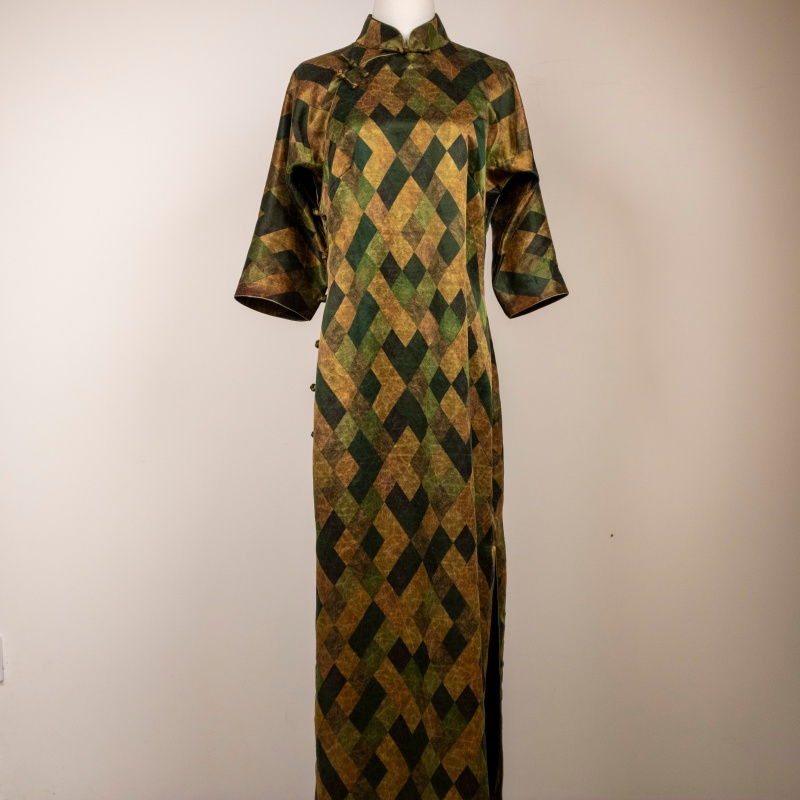
Pre-treatment techniques for dry cleaning of silk cheongsam jackets
Silk Cheongsam Dry Cleaning Prep: How to Pretreat Stains Before Professional Cleaning
Taking a silk cheongsam to the dry cleaner does not mean you can just toss it in a bag and forget about it. What you do in the hours before that drop-off makes a huge difference in whether the garment comes back looking like new or coming back damaged. Most stains set deeper into silk fibers when left unattended, and some common household “fixes” actually make things worse for the cleaner to handle. A little pretreatment at home saves money, protects the fabric, and gives the cleaner a much easier job.
Why Pretreatment Is Not Optional for Silk Cheongsam
Silk is a delicate protein fiber. When a stain sits on the surface, it does not just sit there — it migrates. Body oils seep into the weave within minutes. Sweat salts crystallize and embed. Wine and tea tannins bond with the dye. By the time you hand the cheongsam over, untreated stains may have already become permanent.
Dry cleaners use solvents, not water, which is why silk goes to them in the first place. But solvents have limits. They lift surface-level grime easily. They struggle with stains that have already bonded to the fiber. Pretreating at home with the right method gives the solvent a head start. It also prevents you from getting a call back saying the stain could not be removed.
Spot-Treating the Most Common Silk Cheongsam Stains at Home
Oil and Grease Stains from Food or Skin
Oil is the most frequent offender on silk cheongsam. A splash of hot pot broth, a smear of skin sebum along the collar, a fingerprint on the hip area — all of these leave greasy marks that attract dirt and turn yellow over time.
Do not reach for dish soap. It is too alkaline and will leave a film that attracts more grime. Instead, sprinkle a thin layer of cornstarch or talcum powder directly onto the fresh stain. Let it sit for at least 30 minutes to absorb the oil. Brush it off gently with a soft brush. If the stain is older, dab it with a cotton pad soaked in white vinegar — never rub. Blot from the outside edge inward to keep the stain from spreading. Let it air dry completely before bagging.
Sweat and Deodorant Marks Around the Collar and Underarms
Yellow underarm stains on silk cheongsam are brutal. They happen because sweat mixes with deodorant chemicals and body oils, creating a compound that dyes the fabric from the inside. These marks are usually worse on light-colored cheongsam but they show up on dark ones too, just as a dull patch.
Mix equal parts white vinegar and water in a small bowl. Dip a clean white cloth — never a colored one — into the solution and dab the stained area. Do not soak. Dab, lift, rotate the cloth to a clean section, dab again. Repeat until the cloth comes away clean. For stubborn buildup, make a paste from baking soda and water, apply it thinly, let it sit for 10 minutes, then wipe it off with a damp cloth. Rinse the area with plain water afterward and pat dry.
Water Rings and Drink Spills
Water itself does not stain silk, but what is dissolved in it does. Tea, coffee, red wine, and fruit juice all contain tannins and pigments that bond fast. The moment a drop hits, act.
Blot immediately with a clean, dry, white cloth. Never wipe — wiping pushes the liquid deeper. For tea or coffee, a mix of one part white vinegar and two parts water works well as a first-response dab. For red wine, club soda can help lift the pigment if you catch it within the first minute. After dabbing, let the area air dry. Do not use a hair dryer or any heat source — heat sets the stain instantly.
What to Avoid Doing Before the Dry Cleaner Sees Your Cheongsam
This part matters more than people think. Some well-meaning home remedies do more harm than good on silk.
Never use hydrogen peroxide on a silk cheongsam. It breaks down protein fibers and can cause permanent discoloration, especially on dyed fabric. Never use bleach or anything containing chlorine. Even a tiny amount weakens the silk and creates yellowish spots that no cleaner can fix.
Do not try to wash the cheongsam yourself with water before dry cleaning. Water causes silk to shrink, lose its shape, and develop water spots that look like stains. It also interferes with the dry cleaning solvent, which means the cleaner may have to spend extra time correcting water damage — and some cleaners will simply refuse to take a wet silk garment.
Avoid applying any commercial stain remover that contains enzymes. Enzyme-based cleaners are designed for cotton and synthetic blends. On silk, they eat the fiber itself, leaving thin spots and a rough texture.
How to Bag and Deliver Your Cheongsam Without Causing New Damage
The pretreatment is done. Now protect your work.
Use a breathable cotton garment bag or a clean cotton pillowcase. Never use a plastic dry cleaning bag from the store — plastic traps moisture and can cause mildew or color transfer. If you do not have a cotton bag, a clean white bed sheet works fine.
Hang the cheongsam on a wide padded hanger before bagging. This prevents crease lines from forming during transport. Do not fold it. Do not stuff it into a car trunk where it gets crushed. Place it upright in the back seat or carry it by hand.
When you arrive at the dry cleaner, point out every stain you pretreated. Tell them what you used. This helps them choose the right solvent cycle and avoid applying something that reacts badly with vinegar or baking soda residue. A good cleaner will appreciate the heads-up. It also protects you — if a stain does not come out, you have documentation that you did your part.
The Timing Thing Most People Get Wrong
Pretreat as soon as you notice a stain. Ideally within the first hour. After 24 hours, most stains on silk have migrated past the point where home pretreatment can fully help. After 72 hours, even professional dry cleaning may not recover the original look.
Keep a small kit at home: a bottle of white vinegar, a box of cornstarch, a container of baking soda, a few white cotton cloths, and a soft brush. That is all you need. No special products. No expensive solutions. Just the right ingredients applied the right way at the right time.
Your silk cheongsam will thank you for it — not with words, but with the way it drapes and shines every time you put it on.