
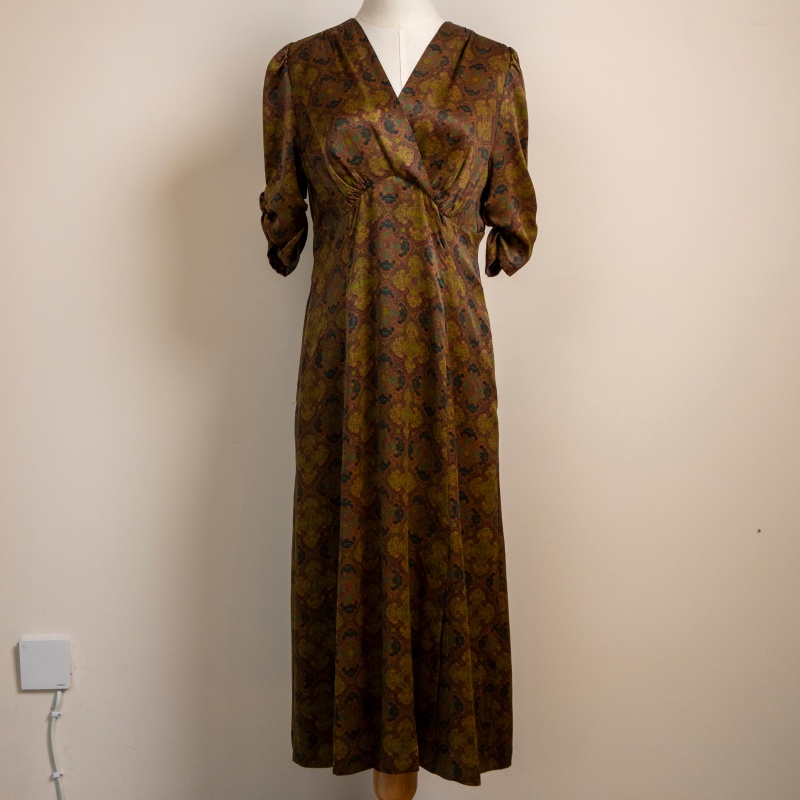
Cleaning method for the inner lining of the silk cheongsam’s hidden pocket
How to Clean the Hidden Pocket Lining of Your Silk Cheongsam Without Damaging the Fabric
Everyone focuses on the outside of a silk cheongsam. The collar, the buttons, the embroidery — those get all the attention. But the hidden pocket lining? That is the part nobody thinks about until they stick their hand in and pull out a clump of lint, a coin with green patina, or something that smells like it has been fermenting since last winter. The lining sits directly against your skin, absorbs sweat and body heat all day, and traps everything that falls into those secret pockets. Cleaning it is not optional. It is the difference between a cheongsam that feels fresh every time you wear it and one that slowly becomes unpleasant from the inside out.
Why the Lining Gets Dirty Faster Than You Think
The inner lining of a silk cheongsam does not get washed nearly as often as the outer shell. Most people never even consider removing it for a separate clean. That is a mistake. The lining faces your body directly. It collects sebum, sweat, dead skin cells, perfume residue, and whatever debris falls into the hidden pockets — tissue paper, coins, keys, lipstick caps. Over time, all of that builds up into a thin film that you cannot see but you can definitely feel.
The hidden pockets make it worse. Those small interior pouches are designed to be discreet, which also means they are designed to be forgotten. Dust and lint migrate into them naturally. Coins oxidize and leave metallic stains on the silk. If you ever stored a mint or a small accessory in there, the residue can transfer to the lining fabric permanently.
Because the lining is usually a lighter-weight silk or a silk-blend, it is even more fragile than the outer layer. It stains faster, yellows faster, and holds odor more stubbornly. Treating it the same way you treat the exterior will damage it. It needs its own cleaning routine.
Removing the Lining Safely Before Cleaning
Finding the Seam Without Tearing Anything
Most handcrafted and many factory-made silk cheongsams have a removable or semi-removable lining. It is usually attached along the side seams or the shoulder seams with small hand-stitched tacks or a hidden zipper. Before you do anything, locate the attachment points.
Run your fingers along the inside of the cheongsam near the side seams. You should feel small stitches or a subtle ridge where the lining connects to the outer shell. If there is a hidden zipper, it will be along the side seam, usually on the left side, and it will have a tiny pull tab that blends into the seam.
Unstitch or unzip slowly. Do not yank. The threads holding the lining are usually silk or fine cotton, and they snap easily under force. Use a small seam ripper for stitched sections. For zippers, pull the tab gently and work it down inch by inch. If the lining feels stuck, do not force it — there may be a tacking stitch you missed. Find it, remove it, then continue.
Checking the Lining for Damage Before You Wash It
Once the lining is free, lay it flat on a clean white surface and inspect it. Look for yellow stains, dark spots from coin oxidation, perfume marks, or any areas where the fabric has thinned. Check the pocket openings too — those are the dirtiest spots.
If you find coin stains, do not try to scrub them. Soaking in vinegar water will lift most of it. If the lining has yellowed significantly, that is oxidation from sweat and body oils. A baking soda paste can help, but the results depend on how old the stain is. For fresh stains, you have a very good chance of full removal. For stains older than six months, expect partial improvement at best.
Cleaning the Lining Without Ruining the Silk
The Soak and Press Method
Fill a basin with cool water — 25 degrees Celsius or below. Add a tiny amount of neutral pH silk detergent. Just a few drops. The lining does not need heavy cleaning. It needs a gentle lift.
Submerge the lining and let it soak for 10 minutes maximum. Use your fingertips to press the fabric gently, working from the cleanest areas toward the dirtiest. Focus on the pocket openings and the areas that sit against your underarms and waist. Do not rub. Do not twist. The lining is thin and will distort easily.
After 10 minutes, drain the soapy water and rinse the lining in fresh cool water twice. Each rinse should use completely clean water. Any detergent left behind will attract dust and cause yellowing.
Drying the Lining Without Stretching or Warping
Lay a large dry towel flat. Place the lining on top. Roll the towel up gently, pressing as you roll to absorb water. Unroll and lay the lining flat on a fresh dry towel. Smooth out any wrinkles with your fingers — do not iron yet.
Let it air dry completely in a shaded area. This can take 12 to 24 hours depending on humidity. The lining must be fully dry before you reattach it. Trapped moisture between the lining and the outer shell is the fastest way to grow mildew.
Tackling Stubborn Pocket Stains Specifically
The pocket areas need extra attention. If you found coins, keys, or other metal objects in there, the oxidation stains will be the hardest to remove.
Make a paste from baking soda and a few drops of water. Apply it directly to the stained area with a soft cloth. Let it sit for 15 minutes. Then dab with a cloth soaked in white vinegar. The fizzing reaction helps lift the metal residue from the silk fibers. Rinse thoroughly afterward.
For perfume or cologne stains on the lining, white vinegar alone works well. Dab the area with a vinegar-soaked cloth, let it sit for 5 minutes, then rinse. The acidic nature of vinegar breaks down the fragrance oils that have bonded to the silk.
Reattaching the Lining the Right Way
Once the lining is completely dry, reattach it before putting the cheongsam back in storage or wearing it again.
Match the seams carefully. The lining should sit flush against the outer shell with no bunching or twisting. Re-stitch any hand tacks using silk thread that matches the lining color. If you used a zipper, zip it up slowly and make sure it lies flat — a crooked zipper will create visible bumps on the outside of the cheongsam.
Smooth the lining with your hands before final stitching. Make sure the pocket openings are not folded or crushed. A misaligned pocket is not just ugly — it makes the pocket unusable.
How Often Should You Actually Clean the Lining
Every time you clean the outer cheongsam, clean the lining too. If you wear the cheongsam frequently — more than once a week — pull the lining out and air it out for a few hours every two weeks. You do not need to wash it that often. Just let it breathe.
For long-term storage, always remove the lining, clean it separately, dry it completely, and store it loosely wrapped in cotton near the cheongsam — not inside it. Storing the lining inside the cheongsam traps whatever moisture remains and invites mildew. Keep them close but separate.
A clean lining is the secret to a cheongsam that feels as good on the inside as it looks on the outside. Most people never think about it. Now you do.