
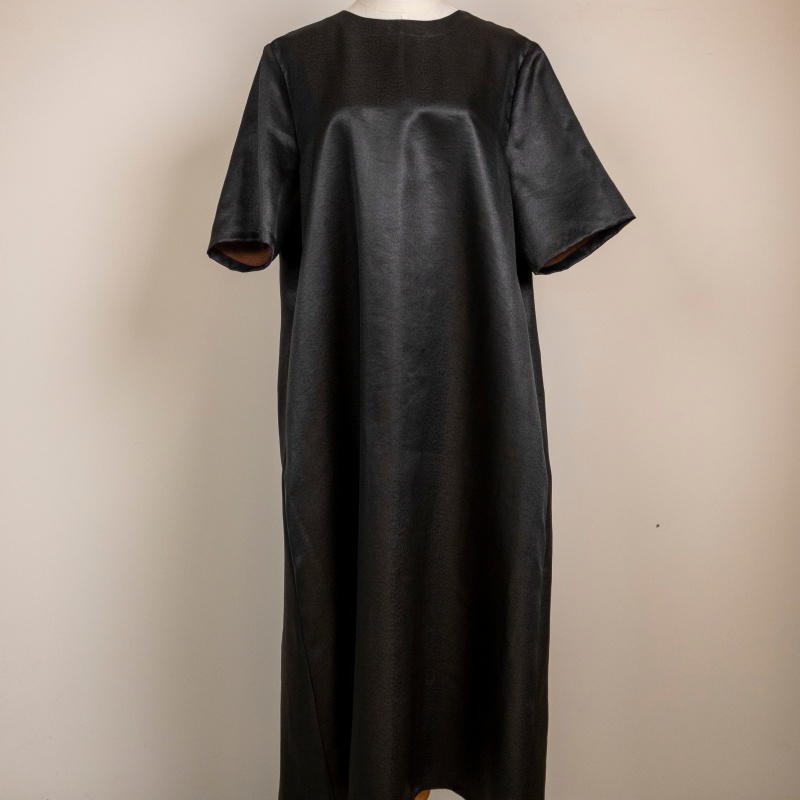
Key points for avoiding friction when hand-stitching floral patterns on a cheongsam (traditional Chinese dress)
How to Stop Friction from Ruining Your Hand-Embroidered Cheongsam
Let’s be honest — that gorgeous hand-embroidered cheongsam you spent weeks picking out can lose half its beauty in a single car ride. Friction is the silent killer of silk, satin, and delicate embroidery. It doesn’t announce itself. It just shows up one day as a snagged thread, a faded patch, or a pulled pankou knot. The good news? Most of this damage is completely preventable if you know where the danger zones are.
Where Friction Hits the Hardest
Your cheongsam isn’t equally vulnerable everywhere. Some areas take way more abuse than others, and understanding that saves you from heartbreak.
The Hip and Thigh Zone
This is ground zero for friction damage. When you sit down in a car, your hip presses against the seat fabric while you twist to lower yourself. That pressure-and-twist combo is what creates the worst scrapes. Here’s the fix: sit on the edge of the seat first, both feet on the ground, then swing both legs in together. Do not shuffle in sideways — that drags your entire hip and thigh across the seat in one long scrape. Swinging your legs in keeps contact brief and controlled.
If you need to fasten a seatbelt while wearing the cheongsam, slide the buckle under the fabric at your hip rather than pulling it across your waist. The hip area has more fabric to absorb the friction. The waist area has almost none.
The Sleeve Cuffs and Fingertips
The fingertip area of a qipao sleeve is the thinnest and most vulnerable part of the entire garment. Pressing elevator buttons with your fingertip is a recipe for disaster. Use the back of your hand or your knuckle instead — that’s where the fabric is double-layered or reinforced.
Elevator railings are brushed metal with a directional grain, and that grain catches silk threads instantly. Don’t lean on them. Hold the railing with your whole hand, palm flat, so the fabric doesn’t drag against the metal.
The Pankou Knots
These hand-tied knots have loose thread ends and raised surfaces that catch on everything. When you lean on a table, counter, or railing, the pankou knots make contact first. They’re thicker than the surrounding fabric, which means more pressure and more friction. Keep them away from surfaces whenever possible.
Daily Habits That Quietly Destroy Embroidery
It’s not just big moments like sitting in a car. The little things you do every day add up fast.
Bags and Straps
A handbag strap rubbing against the same spot on your shoulder every single day will wear through silk within months. Rotate which shoulder you carry your bag on, or switch to a crossbody so the strap doesn’t press into one spot. If you carry a tote, the handle digs into your hip when you hold it at your side — hold it in the crook of your elbow instead.
Nails and Fingers
Long fingernails snag silk without you even noticing. If you wear your qipao regularly, keep your nails trimmed and filed smooth. A rough edge on a thumbnail can catch a thread when you button a pankou and pull the entire knot loose.
Escalators and Moving Walkways
The rubber edges of escalators are one of the worst scrape hazards in any public space. The rubber is textured and it moves, which means it actively grinds against anything that touches it. Hold the handrail with your hand, not your sleeve. Keep your cheongsam hem above the step edge — if the hem drags against the rubber, threads pull loose within seconds. Stand slightly to one side so your hip doesn’t brush the escalator wall.
Washing Without Wrecking the Embroidery
Friction doesn’t only happen when you’re wearing the cheongsam. The washing process can be just as destructive.
Turn It Inside Out Every Time
This is non-negotiable. Turning the garment inside out shields the embroidery from direct contact with other items, reducing abrasion, preventing snags, and keeping colors from fading. It’s one small step that makes an enormous difference.
Hand Wash or Use a Mesh Bag
For most hand-embroidered cheongsams — especially silk, satin, or heavily beaded pieces — hand washing is the safest route. Use lukewarm water and a mild detergent. Submerge the garment and gently swirl for about five minutes. Never scrub the embroidered area. If you must use a machine, select a gentle cycle with cold water, place the cheongsam in a mesh laundry bag, and wash it separately from heavy items like jeans or towels. Those zippers and buttons create friction that leads to snagging and thread pulling.
Dry Flat, Never Hang Wet
The weight of water distorts fabric and stretches embroidered areas. Lay your cheongsam flat on a clean towel and press out excess water by rolling the towel up — never twist or wring. Dry it in the shade away from direct sunlight, which fades embroidery threads over time. No tumble dryer. No exceptions.
Ironing and Storage — The Final Line of Defense
Press, Don’t Slide
Iron on a low to medium heat setting. Always place a pressing cloth between the iron and the fabric, or iron inside out. Avoid ironing directly on embroidery — it flattens and warps the stitches. For light wrinkles, hang the cheongsam in the bathroom while you shower. The steam works as a natural wrinkle releaser without any heat damage.
Store It Right or Lose It
Never store your cheongsam in a plastic bag — plastic traps moisture, and moisture causes mildew, which eats silk. Use a breathable cotton or muslin garment bag instead. Avoid hanging for long periods; the weight stretches the embroidery out of shape. Fold neatly and store in a cool, dry place away from direct sunlight. If your cheongsam has beads, place a soft cloth between layers so they don’t rub together.
Check for Damage Early
Loose threads and slight fraying don’t fix themselves — they get worse. Inspect your cheongsam before and after every wear. Trim or re-stitch loose threads immediately using matching thread. Small repairs today prevent major restoration bills tomorrow.