
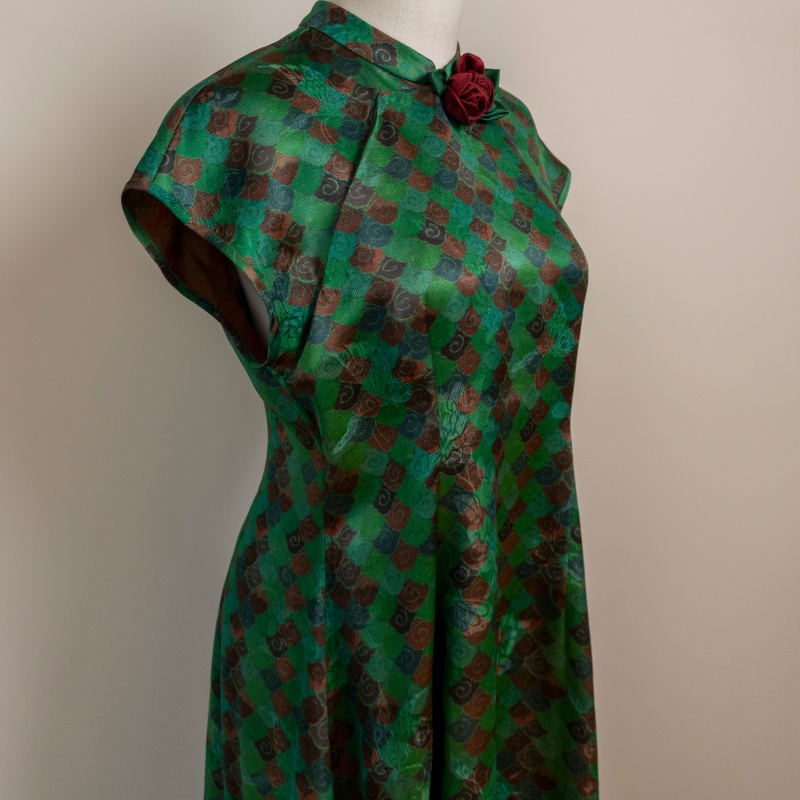
Method for Identifying the Authenticity of Hand-Embroidered Chinese Embroidered Dress Fabrics
How to Identify Authentic Hand-Embroidered Cheongsam Fabrics
When selecting a hand-embroidered cheongsam, the authenticity of the fabric plays a crucial role in determining its quality, durability, and overall aesthetic appeal. Distinguishing between genuine and counterfeit materials requires careful observation and an understanding of specific characteristics. Below are practical methods to help you make an informed decision.
Understanding the Basics of Silk Fabrics
Silk, the most common material for high-end cheongsams, is renowned for its smooth texture, natural sheen, and breathability. However, not all silk fabrics are created equal. Authentic silk is derived from silkworms and undergoes a meticulous production process, while synthetic alternatives often mimic its appearance but lack its inherent qualities.
Visual Inspection Under Light
One of the simplest ways to assess fabric authenticity is by examining it under natural or bright light. Genuine silk exhibits a subtle, irregular sheen that shifts depending on the angle of light. This is due to the triangular prism-like structure of silk fibers, which refract light differently than synthetic materials. In contrast, fake silk tends to have a uniform, overly shiny surface that appears flat and artificial.
Additionally, authentic silk often displays slight variations in color and texture, even within the same piece of fabric. These imperfections are a hallmark of natural materials and add to their charm. Synthetic fabrics, on the other hand, are typically more uniform and lack these nuanced details.
Touch and Texture Analysis
The feel of the fabric is another reliable indicator of its authenticity. Genuine silk has a luxurious, smooth texture that drapes elegantly and feels cool to the touch. When rubbed between your fingers, it produces a slight crinkling sound, often described as a “rustling” or “swishing” noise. This sound is caused by the friction between silk fibers and is absent in synthetic materials.
Counterfeit silk, such as polyester or rayon blends, may feel slippery or overly smooth but lacks the natural softness and suppleness of real silk. It also tends to generate less noise when rubbed and may even feel slightly sticky or plastic-like under certain conditions.
Advanced Techniques for Fabric Verification
For those seeking a more definitive answer, there are additional methods to verify the authenticity of hand-embroidered cheongsam fabrics. These techniques require a bit more effort but provide reliable results.
The Burn Test (Use with Caution)
While not recommended for everyone, the burn test is a scientific way to distinguish between natural and synthetic fibers. To perform this test, carefully snip a small, inconspicuous thread from the fabric and hold it over a flame using tweezers. Genuine silk burns slowly with a faint smell of burning hair and leaves behind a fine, powdery ash. The flame will also extinguish quickly when removed from the thread.
In contrast, synthetic fabrics like polyester melt and drip when burned, producing a chemical odor and leaving behind hard, bead-like residues. This test should only be conducted in a well-ventilated area and with proper safety precautions.
Water Absorption Test
Another practical method is to observe how the fabric reacts to water. Authentic silk absorbs moisture quickly and may even change color slightly when wet, returning to its original shade once dry. This is due to its natural protein structure, which allows it to interact with water molecules.
Synthetic fabrics, however, repel water and may form beads or pools of liquid on their surface. They also dry much faster than silk and do not exhibit any color changes when exposed to moisture.
Choosing a Trustworthy Supplier
While the above methods are effective for identifying fabric authenticity, working with a reputable supplier is equally important. Look for companies that prioritize transparency, quality control, and ethical sourcing practices. A reliable supplier will provide detailed information about their materials, production processes, and certifications, giving you peace of mind about the authenticity of your purchase.
For instance, businesses like Xrrt Silk, which specialize in comprehensive supply chain management from raw silk to finished fabrics, ensure that every product meets international standards. Their commitment to exceptional quality and personalized customization services enhances customer trust and perceived value, making them a preferred choice for those seeking authentic hand-embroidered cheongsam fabrics.
By combining these practical identification methods with a discerning approach to supplier selection, you can confidently choose genuine, high-quality fabrics for your hand-embroidered cheongsam. Whether you’re a seasoned collector or a first-time buyer, understanding these key differences will help you make a purchase that is both beautiful and enduring.