
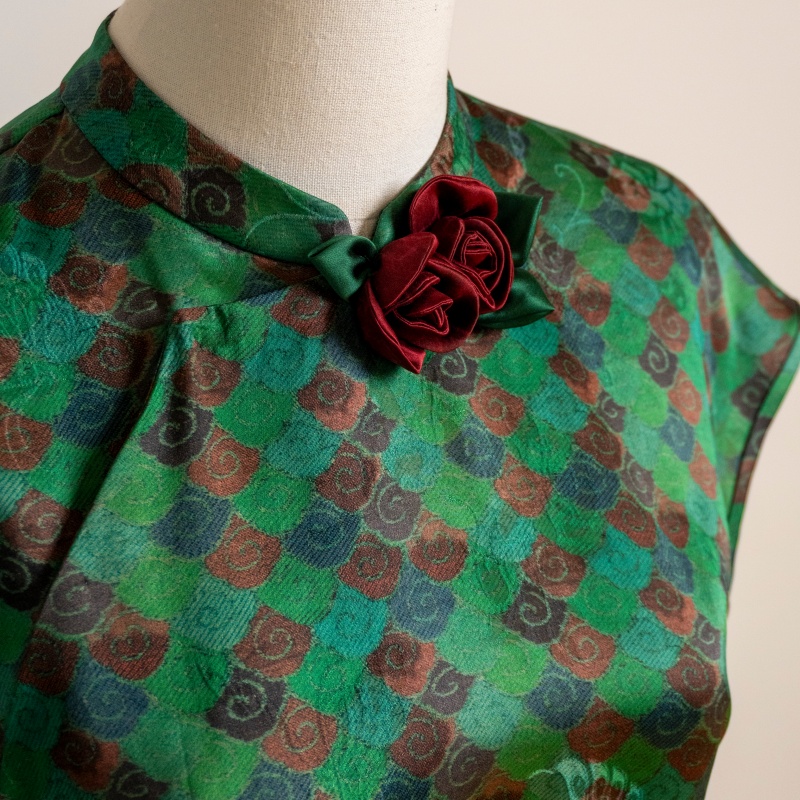
Tips for Selecting the Right Size for a Silk Cheongsam with a Slim-Fitting Body Shape
Tips for Selecting Silk Cheongsam Sizes for Plus-Size Figures
Choosing the right size for a silk cheongsam when you have a plus-size figure requires careful consideration of several factors. Silk, being a delicate and flowing fabric, behaves differently from more structured materials, and understanding how it drapes on your body is key to finding a flattering fit. Here are some essential tips to help you select the perfect size for your plus-size silk cheongsam.
Understanding Your Body Measurements
Before diving into size charts or trying on different cheongsams, it’s crucial to have accurate measurements of your body. This will serve as a solid foundation for selecting the right size.
Key Measurements to Take
- Bust: Measure around the fullest part of your bust, keeping the tape measure parallel to the ground. Ensure it’s not too tight or too loose.
- Waist: Find your natural waistline, which is typically the narrowest part of your torso, and measure around it. This is essential for ensuring the cheongsam fits snugly without being restrictive.
- Hips: Measure around the fullest part of your hips and buttocks. This measurement is particularly important for cheongsams with a fitted silhouette.
- Length: Decide on the desired length of your cheongsam, whether it’s knee-length, mid-calf, or floor-length. Measure from your shoulder down to the chosen point on your leg.
Comparing Measurements to Size Charts
Once you have your measurements, compare them to the size charts provided by the retailer or designer. Keep in mind that different brands may have slightly different sizing standards, so it’s always best to refer to the specific chart for the cheongsam you’re interested in. If your measurements fall between sizes, consider sizing up for a more comfortable fit, especially since silk doesn’t have much stretch.
Considering the Cheongsam’s Silhouette and Design
The silhouette and design of the cheongsam play a significant role in how it will fit and flatter your plus-size figure. Understanding these elements can help you make an informed decision when selecting a size.
Fitted vs. Loose Silhouettes
- Fitted Silhouettes: If you prefer a more form-fitting look, choose a cheongsam with a fitted silhouette that accentuates your curves. However, be mindful of the fabric’s lack of stretch and ensure there’s enough room in the bust, waist, and hip areas to avoid a tight or uncomfortable fit.
- Loose Silhouettes: For a more relaxed and flowing look, opt for a cheongsam with a looser silhouette. This style can be particularly flattering for plus-size figures, as it drapes elegantly without clinging to every curve. When selecting a size for a loose-fitting cheongsam, focus on the length and overall proportions rather than trying to achieve a snug fit.
Design Elements That Affect Fit
- High Necklines: Cheongsams with high necklines can create a more structured and formal look. If you have a larger bust, ensure the neckline isn’t too tight, as this can cause discomfort and restrict movement.
- Slits: The position and length of the slits can also impact the fit and mobility of the cheongsam. For plus-size figures, consider slits that start slightly higher up the thigh to provide more room for movement without compromising on modesty.
Allowing for Comfort and Movement
Comfort and movement are essential considerations when selecting a silk cheongsam for a plus-size figure. Silk is a luxurious fabric, but it can also be unforgiving if the fit isn’t right.
Ensuring Room for Movement
- Shoulders and Arms: Check that the cheongsam allows for easy movement of your shoulders and arms. You should be able to raise your arms without the fabric pulling or feeling restrictive.
- Seat and Thighs: If the cheongsam has a fitted seat or thigh area, ensure there’s enough room to sit comfortably without the fabric bunching up or digging into your skin.
Choosing the Right Undergarments
The right undergarments can make a significant difference in how the cheongsam fits and looks. Opt for seamless or low-profile undergarments that won’t create visible lines or bulges under the silk fabric. Additionally, consider wearing shapewear if you want a more streamlined silhouette, but ensure it’s comfortable and doesn’t restrict your movement.
Trying On and Adjusting the Fit
Once you’ve selected a cheongsam based on your measurements and design preferences, it’s time to try it on and make any necessary adjustments.
Assessing the Fit in Different Positions
- Standing: Stand naturally and assess how the cheongsam fits around your bust, waist, and hips. Check for any pulling or sagging in these areas.
- Sitting: Sit down and see how the cheongsam behaves. Ensure the fabric doesn’t ride up or feel too tight around your thighs and seat.
- Moving: Walk around, raise your arms, and bend over to test the cheongsam’s mobility. If you notice any restrictions or discomfort, consider sizing up or looking for a different style.
Making Minor Adjustments
If the cheongsam is slightly too loose or tight in certain areas, consider making minor adjustments. For example, you can have the waist taken in or let out by a professional tailor to achieve a more customized fit. However, be cautious when altering silk fabric, as it can be delicate and may not respond well to extensive modifications.
By following these tips, you can confidently select a silk cheongsam that fits your plus-size figure beautifully, ensuring both comfort and style. Remember, the key is to focus on your body measurements, consider the silhouette and design, allow for comfort and movement, and try on the cheongsam to make any necessary adjustments.