
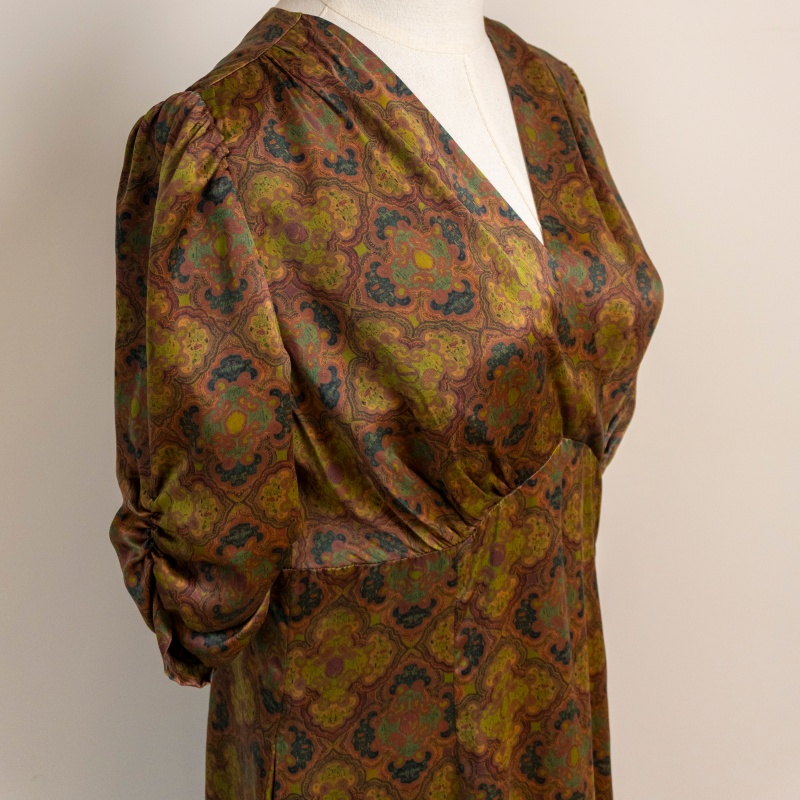
Key points for designing the opening position size of a cheongsam
Key Considerations for Designing the Slit Position and Dimensions in Cheongsams
The slit on a cheongsam is not just a functional element but also a significant design feature that enhances the garment’s elegance and movement. Properly designed slits can accentuate the wearer’s figure while allowing for ease of motion. Here are essential factors to keep in mind when determining the slit position and dimensions in cheongsam design.
Understanding the Purpose of the Slit
Before diving into the design specifics, it’s crucial to understand why cheongsams incorporate slits. Slits serve multiple purposes:
Enhancing Mobility
Cheongsams are typically form-fitting, and slits provide the necessary flexibility for walking, sitting, and other movements. Without slits, the fabric would restrict movement, making the garment uncomfortable and impractical for daily wear.
Adding Aesthetic Appeal
Slits create a visually appealing silhouette by revealing a hint of leg, adding a touch of allure and sophistication. The placement and length of the slit can dramatically alter the overall look of the cheongsam, from conservative to daring.
Balancing Tradition and Modernity
While traditional cheongsams often feature modest slits, modern interpretations may experiment with longer or higher slits to suit contemporary fashion trends. Designers must strike a balance between honoring traditional elements and incorporating modern aesthetics.
Determining the Slit Position
The position of the slit is a critical aspect of cheongsam design. It influences both the functionality and the visual impact of the garment.
Back vs. Side Slits
Cheongsams can have slits at the back, sides, or both. Side slits are the most common, as they offer optimal mobility and a flattering silhouette. Back slits, while less common, can add a unique design element and are often used in more formal or traditional styles.
Factors Influencing Slit Position
- Body Shape: Consider the wearer’s body shape when deciding on the slit position. Side slits generally suit most body types, while back slits may be more flattering on certain figures.
- Fabric Type: The type of fabric used can also influence slit position. Stiffer fabrics may require side slits for better movement, while softer, more drapey fabrics can accommodate back slits.
- Design Aesthetic: The overall design aesthetic of the cheongsam plays a role in determining slit position. A modern, minimalist design may feature a single side slit, while a more elaborate, traditional style might incorporate multiple slits or a back slit.
Placement Along the Seam
Once you’ve decided on the side or back, the next step is to determine the exact placement along the seam. Slits typically start a few inches above the knee and extend downward, but the exact starting point can vary based on design preferences.
Guidelines for Placement
- Knee-Length Cheongsams: For knee-length cheongsams, slits usually start around 2-3 inches above the knee to ensure adequate coverage while walking.
- Longer Cheongsams: For longer cheongsams that extend past the knee, slits can start higher up the thigh, depending on the desired level of exposure and mobility.
Designing the Slit Dimensions
The dimensions of the slit, including its length and width, are crucial for achieving the right balance between functionality and aesthetics.
Slit Length
The length of the slit is perhaps the most critical dimension, as it directly affects both mobility and visual appeal.
Factors to Consider
- Activity Level: Consider the wearer’s activity level when determining slit length. A longer slit may be more appropriate for formal events where sitting and standing are frequent, while a shorter slit may suffice for casual wear.
- Personal Preference: Personal preference plays a significant role in slit length. Some wearers may prefer a more modest look with a shorter slit, while others may opt for a longer slit for a bolder statement.
- Cultural Norms: Cultural norms and expectations can also influence slit length. In some cultures, longer slits may be considered inappropriate or too revealing, while in others, they may be perfectly acceptable.
Slit Width
While less variable than length, the width of the slit can also impact the overall look and feel of the cheongsam.
Guidelines for Width
- Narrow Slits: Narrow slits are more subtle and conservative, providing just enough room for movement without revealing too much skin.
- Wider Slits: Wider slits offer more mobility and a more dramatic visual effect. They can be used to create a bold, modern look or to add a touch of glamour to a traditional design.
Ensuring Proper Fit and Functionality
Once you’ve determined the slit position and dimensions, it’s essential to ensure that the cheongsam fits properly and functions as intended.
Testing the Fit
Have the wearer try on the cheongsam and perform various movements, such as walking, sitting, and bending. Observe how the slit behaves during these movements and make adjustments as needed.
Common Issues and Solutions
- Slit Riding Up: If the slit rides up too high during movement, it may need to be lengthened or the fabric may need to be stabilized with a stay or interfacing.
- Fabric Pulling: If the fabric pulls or bunches around the slit, it may indicate that the slit is too narrow or that the fabric lacks sufficient stretch. Consider widening the slit or using a more flexible fabric.
Final Adjustments
Based on the fit test, make any necessary adjustments to the slit position or dimensions. It’s often helpful to have the wearer provide feedback on comfort and mobility to ensure the final design meets their needs and expectations.
By carefully considering the purpose of the slit, determining the optimal position and dimensions, and ensuring proper fit and functionality, you can create a cheongsam that is both elegant and practical. Remember, the key to successful cheongsam design lies in balancing tradition with modernity and paying attention to the details that make each garment unique.