
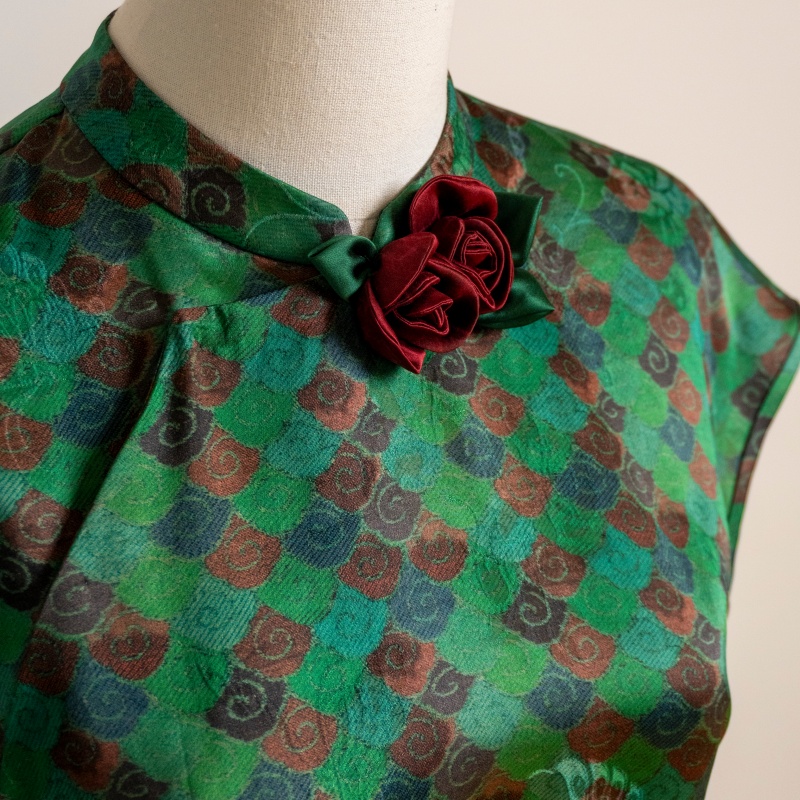
Criteria for judging the waistline expansion of silk cheongsams
How to Determine the Right Waist Allowance for Silk Cheongsams: A Detailed Guide
When crafting or selecting a silk cheongsam, determining the correct waist allowance is crucial for achieving both comfort and a flattering fit. Unlike rigid fabrics, silk drapes elegantly and requires careful consideration to prevent issues like tightness, pulling, or an unflattering silhouette. Understanding the factors that influence waist allowance ensures your cheongsam fits beautifully and allows for natural movement. Below are key considerations and methods to help you make the right choice.
Understanding Waist Allowance Basics
What Is Waist Allowance?
Waist allowance refers to the extra fabric added beyond your actual waist measurement when constructing a garment. For silk cheongsams, this allowance accounts for the fabric’s stretch, drape, and the need for ease of movement. A well-calculated waist allowance prevents the cheongsam from feeling restrictive while maintaining its structured yet fluid appearance.
Why Silk Requires Special Consideration
Silk is a delicate, lightweight fabric with unique properties. It stretches slightly under tension, clings to the body, and drapes differently than cotton or wool. These characteristics mean that a standard waist allowance used for other fabrics may not work for silk. Instead, the allowance must balance the fabric’s tendency to cling with the need for a comfortable, flattering fit.
The Role of Body Shape in Waist Allowance
Your body shape influences how much waist allowance is needed. For example, individuals with a defined waist may require less allowance to avoid excess fabric pooling at the hips, while those with a straighter silhouette might need more to create the illusion of curves. Understanding your body’s natural lines helps tailor the allowance to your unique shape.
Factors Influencing Waist Allowance for Silk Cheongsams
Fabric Weight and Thickness
The weight and thickness of the silk affect how much allowance is necessary. Heavy silks, like dupioni or brocade, have less stretch and drape more rigidly, requiring a smaller waist allowance to prevent bulkiness. Lightweight silks, such as chiffon or georgette, stretch more and cling closely, so a slightly larger allowance ensures comfort without sacrificing the garment’s structure.
Cheongsam Style and Silhouette
The design of the cheongsam plays a significant role in determining waist allowance. A traditional, form-fitting style with a high waistline may need less allowance to maintain its sleek appearance, while a modern, relaxed-fit cheongsam with a lower waistline might require more for ease of movement. Consider the garment’s overall silhouette when deciding on the allowance.
Personal Comfort Preferences
Comfort is subjective, and your preferences should guide the waist allowance. Some people prefer a snug fit that highlights their waist, while others prioritize freedom of movement. If you plan to wear the cheongsam for extended periods, such as at a wedding or formal event, opting for a slightly larger allowance can prevent discomfort from prolonged sitting or standing.
Practical Methods for Determining Waist Allowance
Take Accurate Waist Measurements
Begin by measuring your natural waist, which is the narrowest part of your torso, typically located above the belly button and below the ribcage. Use a flexible measuring tape and ensure it sits snugly against your skin without digging in. Record this measurement as your base waist size.
Consider the Cheongsam’s Design Features
Examine the cheongsam’s design elements, such as darts, seams, or waistbands, which can affect how much allowance is needed. For example, a cheongsam with side darts may require less allowance because the darts shape the fabric to your body. Conversely, a design without darts might need more allowance to achieve a similar fit.
Test with a Mock-Up or Sample
If possible, create a mock-up of the cheongsam using a similar-weight fabric to test the waist allowance. Sew the garment with your estimated allowance and try it on, paying attention to how it fits around the waist. Look for signs of pulling, gaping, or restriction, and adjust the allowance accordingly before cutting the final silk fabric.
Consult with a Professional Tailor
If you’re unsure about calculating the waist allowance yourself, seek advice from a professional tailor experienced in working with silk. They can assess your body shape, the fabric’s properties, and the cheongsam’s design to recommend an appropriate allowance. A tailor’s expertise ensures a precise fit that flatters your figure.
Adjusting Waist Allowance for Specific Situations
For High-Waisted Cheongsams
High-waisted cheongsams sit above the natural waist, often at the narrowest part of the torso. These styles typically require less waist allowance because the fabric is positioned where the body is already slender. However, ensure the allowance is sufficient to allow for bending and sitting without discomfort.
For Low-Waisted Cheongsams
Low-waisted cheongsams sit below the natural waist, closer to the hips. These designs may need more waist allowance to accommodate the broader area and prevent the fabric from feeling tight around the midsection. A slightly larger allowance also helps maintain the garment’s drape and prevents it from riding up.
For Plus-Size Figures
Individuals with plus-size figures may require additional waist allowance to ensure the cheongsam fits comfortably without digging into the skin. Focus on creating a smooth, even fit around the waist and hips, and consider using shaping techniques like darts or princess seams to enhance the garment’s structure.
By understanding the basics of waist allowance, considering the factors that influence it, and using practical methods to determine the right amount, you can ensure your silk cheongsam fits beautifully and comfortably. Whether you’re crafting the garment yourself or working with a tailor, these guidelines will help you achieve a flattering, elegant result that highlights the beauty of silk.