
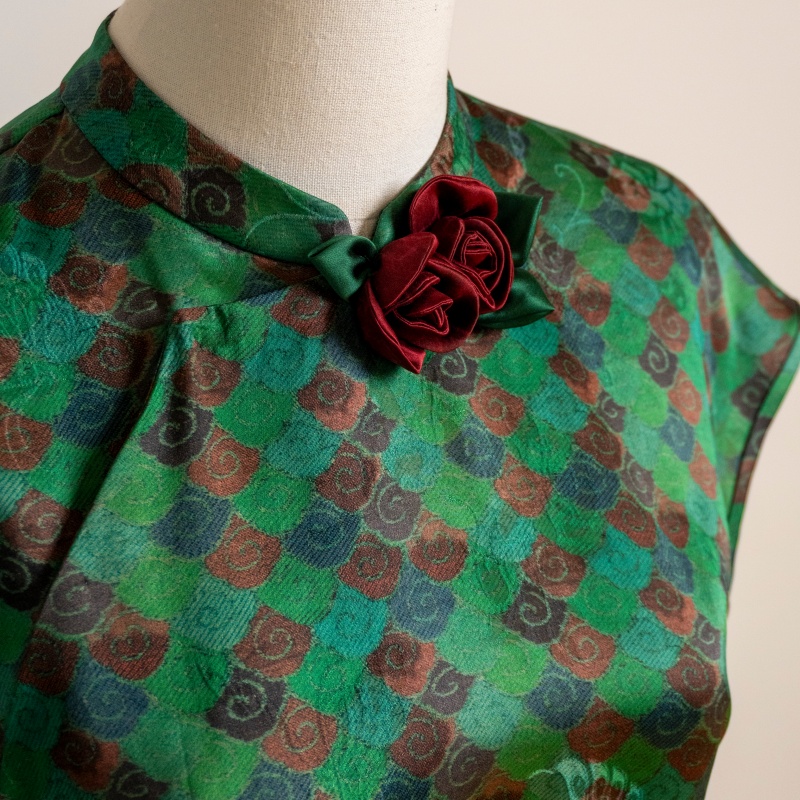
Techniques for Adjusting the Fit of the Bustline in Cheongsam (Chinese Traditional Dress)
Mastering Bust Fit Adjustments for Cheongsams: Essential Techniques
Achieving the perfect bust fit in a cheongsam is vital for both comfort and a polished appearance. Unlike casual garments, cheongsams rely on precise tailoring to highlight the body’s natural curves while maintaining a structured silhouette. Whether you’re altering an existing cheongsam or customizing a new one, understanding how to adjust bust dimensions ensures a flattering, personalized fit. Below are detailed techniques to help you refine the bust area of your cheongsam.
Assessing Your Bust Measurements and Fit Needs
Taking Accurate Bust Measurements
Start by measuring your full bust, which is the widest part of your chest, typically around the nipple line. Use a flexible measuring tape and ensure it sits parallel to the floor without pulling too tight. Next, measure your high bust, which is the area just under your armpits and above your breasts. These measurements provide a baseline for determining how much adjustment is needed.
Identifying Common Fit Issues
Common bust fit problems in cheongsams include gaping at the neckline, tightness across the chest, or wrinkles around the armholes. Gaping occurs when the bust area is too loose, while tightness suggests the fabric is stretched beyond its capacity. Wrinkles often indicate poor dart placement or insufficient ease. Recognizing these issues helps you target specific adjustments.
Understanding the Role of Fabric Type
The fabric’s stretch and drape influence how the bust area fits. Stretchy materials like jersey or blended silks may require less adjustment, as they conform to the body’s shape. Rigid fabrics such as brocade or dupioni silk need precise measurements and structural elements like darts or boning to maintain their shape without feeling restrictive.
Techniques for Adjusting Bust Dimensions
Modifying Dart Placement and Length
Darts are a key tool for shaping the bust area. If the cheongsam feels tight across the chest, lengthen or widen the darts to create more room. Conversely, if there’s gaping at the neckline, shorten or narrow the darts to reduce excess fabric. Experiment with dart placement by moving them slightly inward or outward to find the most flattering position for your bust shape.
Altering the Bust Cup Size
For cheongsams with built-in cups or structured bodices, adjusting the cup size may be necessary. If the cups are too small, they can create pressure points or cause the fabric to pull. To enlarge the cups, add fabric inserts or widen the existing cup pattern. If the cups are too large, trim excess fabric or reshape the cups to fit snugly against your bust without wrinkles.
Adding or Removing Ease in the Bust Area
Ease refers to the extra fabric allowed for movement and comfort. If the cheongsam feels constricting, add ease by increasing the bust measurement slightly when cutting the fabric. This is particularly useful for rigid fabrics that don’t stretch. To reduce bulk in loose-fitting cheongsams, remove ease by decreasing the bust measurement, ensuring the fabric skims the body without sagging.
Addressing Specific Bust Shape Considerations
Full Bust Adjustments
Individuals with a fuller bust may require additional adjustments to prevent the cheongsam from feeling tight or pulling at the seams. Consider adding vertical seams or princess seams to the bodice, which distribute fabric more evenly and create a smoother silhouette. These seams also allow for more precise shaping around the bust and waist.
Small Bust Adjustments
For those with a smaller bust, the cheongsam may appear loose or ill-fitting around the chest. To create a more tailored look, remove excess fabric by taking in the side seams or reducing the dart width. Adding subtle padding or shaping inserts can also enhance the bust area without altering the overall design of the cheongsam.
Asymmetric Bust Adjustments
If your bust is asymmetrical, with one side larger or smaller than the other, adjustments are necessary to ensure balance. Gradually grade the fabric between the bust points, adding or removing small amounts of fabric as needed. Use pins or basting stitches to test the fit before making permanent alterations, ensuring the cheongsam sits evenly on both sides.
Practical Tips for Testing and Refining Bust Fit
Using a Mock-Up or Toile
Before cutting the final fabric, create a mock-up or toile using a similar-weight material to test the bust adjustments. Sew the cheongsam with your proposed changes and try it on, paying attention to how the fabric drapes and moves. Look for signs of tightness, gaping, or wrinkles, and make notes of any further adjustments needed.
Seeking Feedback from a Trusted Source
Ask a friend or family member to assess the fit of your cheongsam from different angles. They may notice issues like uneven hemlines or pulling that you missed. Fresh eyes can provide valuable insights into how the bust adjustments affect the overall appearance of the garment.
Making Incremental Changes
When adjusting the bust dimensions, make small, incremental changes rather than large alterations. This approach allows you to fine-tune the fit without overcorrecting. For example, if you need to take in the side seams, do so by 0.5 cm at a time and test the fit after each adjustment.
By mastering these techniques for adjusting bust dimensions, you can ensure your cheongsam fits beautifully and comfortably. Whether you’re dealing with a full bust, small bust, or asymmetry, these methods provide the tools to create a personalized, flattering silhouette that highlights the elegance of the cheongsam.