
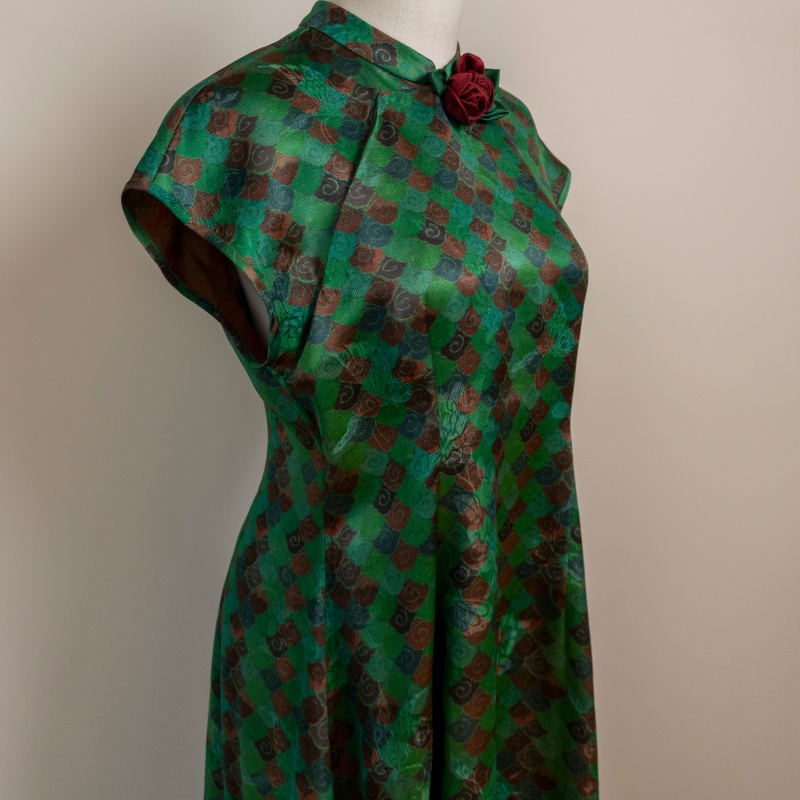
Key points for measuring the looseness of the hip circumference of a handmade cheongsam
Essential Tips for Measuring Hip Ease in Handmade Cheongsams
Creating a handmade cheongsam that fits perfectly requires attention to detail, especially when measuring hip ease. Unlike ready-to-wear garments, custom cheongsams rely on precise measurements to ensure comfort and a flattering silhouette. The hip area, in particular, demands careful consideration to prevent issues like tightness, sagging, or an unbalanced look. Below are key points to guide you through measuring hip ease for a handmade cheongsam.
Understanding Hip Ease and Its Importance
Defining Hip Ease in Cheongsams
Hip ease refers to the extra fabric added beyond your actual hip measurement to allow for movement and comfort. In a cheongsam, which often has a fitted bodice and a slightly flared skirt, hip ease ensures the garment drapes elegantly without feeling restrictive. Too little ease can make the cheongsam feel tight, while too much can lead to a baggy or ill-fitting appearance.
Why Hip Ease Matters for Comfort and Fit
The hip area is a high-movement zone, especially when sitting, walking, or climbing stairs. Adequate hip ease prevents the fabric from pulling or digging into the skin, ensuring all-day comfort. It also contributes to the cheongsam’s overall aesthetic, helping the skirt maintain its shape and flow without clinging unflatteringly to the body.
The Role of Fabric Type in Hip Ease
Different fabrics behave differently when it comes to hip ease. Stretchy materials like jersey or blended silks may require less ease, as they conform to the body’s shape. Rigid fabrics such as brocade or dupioni silk need more ease to prevent stiffness and allow for natural movement. Understanding your fabric’s properties helps determine the right amount of hip ease.
Key Measurement Points for Hip Ease
Taking Accurate Hip Measurements
Start by measuring your fullest hip area, which is typically around the widest part of your buttocks. Use a flexible measuring tape and ensure it sits parallel to the floor without pulling too tight. Record this measurement as your base hip size. For a more precise fit, take measurements at different points around the hips and use the largest value.
Identifying the Hip Line on the Cheongsam Pattern
The hip line on a cheongsam pattern is usually marked a few inches below the waistline, depending on the design. Locate this line on your pattern and compare it to your hip measurement. The difference between your hip measurement and the pattern’s hip measurement will determine how much ease you need to add or remove.
Considering the Cheongsam’s Silhouette and Style
The style of the cheongsam influences how much hip ease is needed. A traditional, form-fitting cheongsam with a high waistline may require less ease to maintain its sleek appearance, while a modern, A-line or flared cheongsam might need more for a balanced, flowing look. Examine the pattern’s silhouette and adjust the hip ease accordingly.
Adjusting Hip Ease for Different Body Shapes
Hip Ease for Fuller Figures
If you have a fuller figure, you may need additional hip ease to ensure the cheongsam fits comfortably without feeling tight. Consider adding extra fabric at the side seams or using a pattern with a wider hip allowance. Gradually grade the fabric from the waist to the hips to create a smooth transition and prevent bulging.
Hip Ease for Straighter Body Shapes
For those with a straighter body shape, where the hips and waist are closer in size, less hip ease may be needed to avoid a baggy appearance. You can reduce the hip allowance on the pattern or take in the side seams slightly to create a more tailored fit. Ensure the fabric still has enough room for movement, especially if the cheongsam is made from a rigid fabric.
Hip Ease for Asymmetric Hip Shapes
If your hips are asymmetric, with one side larger or smaller than the other, adjustments are necessary to ensure balance. When measuring, take note of the difference between your left and right hips. On the pattern, grade the fabric gradually between the hip points, adding or removing small amounts of fabric as needed to create an even silhouette.
Practical Tips for Measuring and Adjusting Hip Ease
Using a Dress Form or Mannequin
If you have access to a dress form or mannequin, use it to visualize how the cheongsam will fit around the hips. Adjust the dress form to match your hip measurements and drape the fabric over it to test the ease. This helps you see how the fabric behaves and make any necessary adjustments before cutting the final fabric.
Creating a Muslin or Toile
Before cutting the fabric for your cheongsam, create a muslin or toile using a similar-weight material to test the hip ease. Sew the cheongsam with your proposed adjustments and try it on, paying attention to how the fabric drapes and moves around the hips. Look for signs of tightness, sagging, or wrinkles, and make notes of any further adjustments needed.
Seeking Feedback from a Trusted Source
Ask a friend or family member to assess the fit of your cheongsam from different angles. They may notice issues like uneven hemlines or pulling that you missed. Fresh eyes can provide valuable insights into how the hip ease adjustments affect the overall appearance of the garment.
By following these tips for measuring and adjusting hip ease, you can ensure your handmade cheongsam fits beautifully and comfortably. Whether you’re dealing with a fuller figure, straighter body shape, or asymmetry, these methods provide the tools to create a personalized, flattering silhouette that highlights the elegance of the cheongsam.