
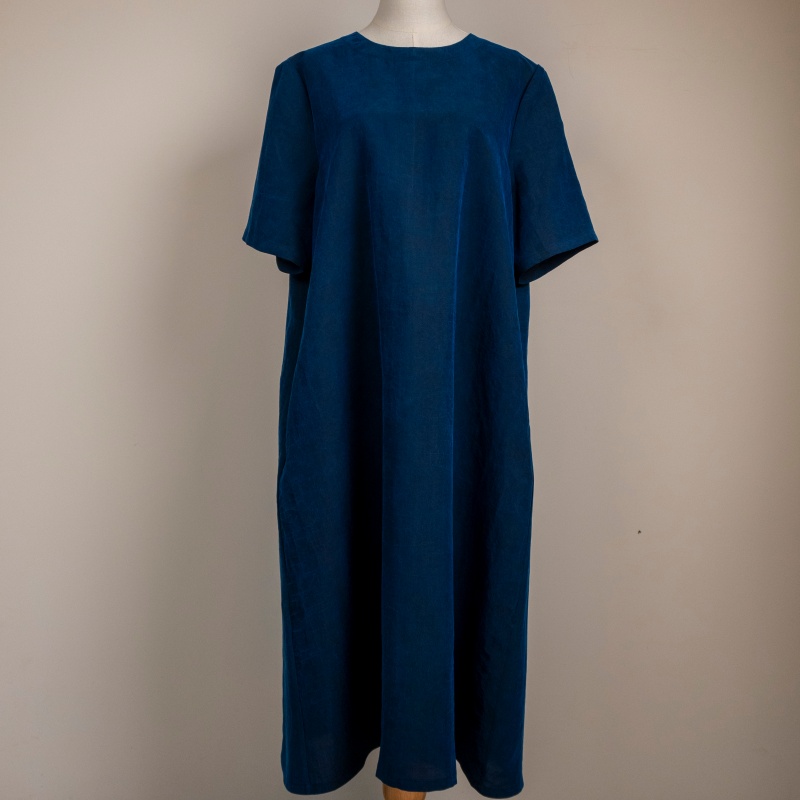
Manual inspection of the symmetry of the front and back pieces of the traditional Chinese dress
How to Check the Symmetry of Front and Back Pieces in Hand – Made Cheongsams
When crafting a hand – made cheongsam, ensuring the symmetry of the front and back pieces is of utmost importance. A well – symmetrical cheongsam not only looks aesthetically pleasing but also fits the body properly. Here are the detailed steps and considerations for checking the symmetry of front and back pieces in hand – made cheongsams.
Understanding the Importance of Symmetry
Symmetry in a cheongsam is crucial for several reasons. Firstly, it creates a balanced and harmonious visual appearance. A cheongsam with uneven front and back pieces can look lopsided, drawing attention away from the overall design and the wearer’s figure. Secondly, proper symmetry ensures a good fit. If the front and back are not the same size and shape, the cheongsam may feel uncomfortable to wear, with areas that are too tight or too loose.
Impact on Aesthetics
A symmetrical cheongsam enhances the beauty of the traditional design. The smooth lines and equal proportions of the front and back contribute to an elegant and refined look. Whether it’s a simple, classic style or a more elaborate, decorated cheongsam, symmetry is the key to making it visually appealing. For example, if the neckline or armholes are not symmetrical, it can disrupt the flow of the design and make the cheongsam look amateurish.
Influence on Fit
The fit of a cheongsam is directly related to its symmetry. When the front and back pieces are the same size, the cheongsam will drape evenly over the body. If one piece is larger than the other, it can cause the fabric to bunch up in certain areas or create an uneven hemline. This can make the wearer feel self – conscious and uncomfortable, as the cheongsam may not move naturally with the body.
Pre – Check Preparation
Before starting the symmetry check, there are some preparatory steps to take to ensure accurate results.
Gather Necessary Tools
You’ll need a few basic tools for the symmetry check. A flexible measuring tape is essential for taking precise measurements of different parts of the front and back pieces. A straight ruler can be useful for checking straight lines, such as the center seams or hemlines. Additionally, having a set of pins can help you mark specific points on the fabric for comparison.
Lay Out the Pieces Properly
Place the front and back pieces of the cheongsam on a flat, clean surface. Make sure the fabric is smooth and free of wrinkles, as wrinkles can distort the measurements. Align the pieces so that their corresponding edges are parallel to each other. For example, the side seams of the front and back should be in a straight line, and the shoulder seams should be at the same height.
Checking Key Areas for Symmetry
There are several key areas on the front and back pieces of a cheongsam that need to be checked for symmetry.
Shoulder Seams and Armholes
The shoulder seams are one of the most important areas to check for symmetry. Measure the length of the shoulder seam on both the front and back pieces. They should be exactly the same. Also, check the shape of the armholes. Use the measuring tape to measure the circumference of the armholes at different points, such as the top, middle, and bottom. The measurements should be consistent between the front and back armholes. If there are any differences, it may indicate that the pieces have been cut incorrectly or that there has been an error during sewing.
Neckline
The neckline of a cheongsam is a focal point, so it’s crucial that it is symmetrical. Measure the width of the neckline at the front and back. This can be done by measuring from one edge of the neckline to the other at the widest point. Also, check the shape of the neckline. Whether it’s a round neck, a V – neck, or a more complex shape, it should be identical on both the front and back pieces. You can use a straight ruler to check if the neckline is straight along its edges, especially for square – shaped necklines.
Side Seams and Hemline
The side seams should be straight and of equal length on both the front and back pieces. Measure the length of the side seams from the underarm to the hemline. Any discrepancies in length can cause the cheongsam to fit unevenly. The hemline is another area that requires careful symmetry checking. Measure the distance from the floor (or a reference point) to the hemline at different points along the front and back of the cheongsam, such as the center front, center back, and side seams. The hemline should be level and at the same height on both pieces. If it’s not, you may need to adjust the hemline by trimming or hemming the fabric.
Making Adjustments if Necessary
If you find any areas of asymmetry during the check, you’ll need to make the necessary adjustments to ensure the cheongsam fits and looks its best.
Identifying the Problem
First, clearly identify the source of the asymmetry. Is it due to incorrect cutting, uneven sewing, or stretching of the fabric? For example, if the shoulder seams are different lengths, it could be because the fabric was not cut straight or the sewing machine skipped stitches. Once you know the cause, you can take appropriate action.
Making Corrections
Depending on the problem, there are different ways to make corrections. If the issue is with the length of a seam, you can carefully unpick the seam and re – sew it to the correct length. For problems with the shape, such as an uneven neckline, you may need to trim the fabric to make it symmetrical. When making adjustments, take your time and work slowly to avoid making the problem worse. After making the corrections, re – check the symmetry of the affected area to ensure that it has been fixed properly.
By following these steps for checking the symmetry of the front and back pieces in a hand – made cheongsam, you can create a garment that is not only beautiful but also fits the wearer perfectly.