
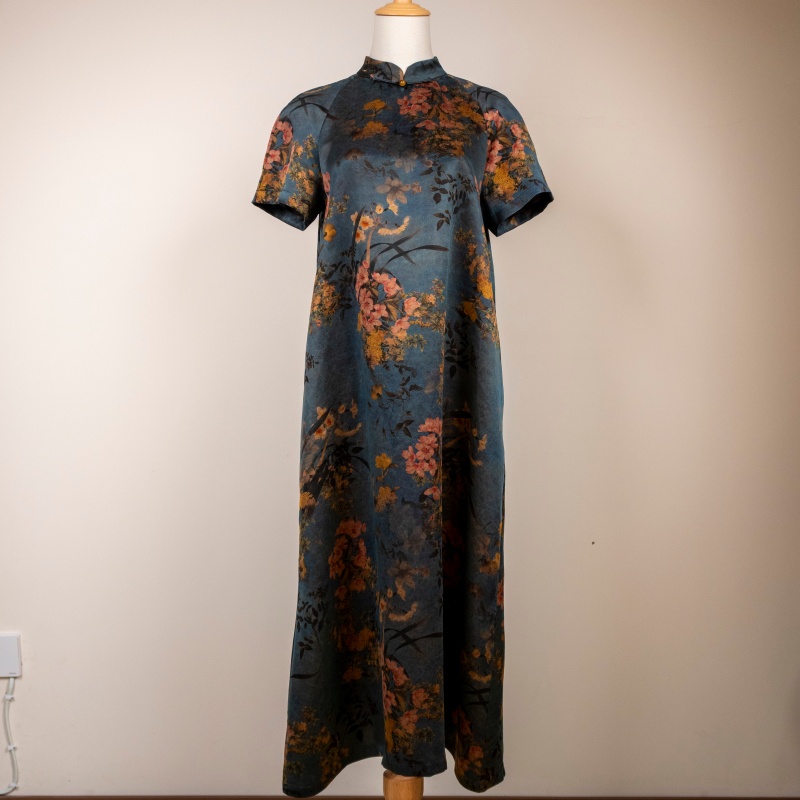
The overall cleaning method for handcrafted cheongsam during seasonal changes
Handcrafted Cheongsam Off-Season Cleaning: A Complete Guide to Storing Your Silk Garment the Right Way
When the season changes, your handcrafted cheongsam needs more than a quick hang in the closet. These garments are not mass-produced polyester. They are made with real silk, hand-stitched details, delicate buttons, and sometimes intricate embroidery. That means the cleaning and storage process between seasons requires real attention. Skip it, and you will find yellow spots, insect damage, or stiff fabric when you pull it out next year.
This guide covers everything you need to know about giving your handcrafted cheongsam a proper deep clean before long-term storage.
Why Off-Season Cleaning Is Different From Regular Washing
A handcrafted cheongsam carries more risk than a factory-made one. The embroidery threads, beaded accents, hand-sewn hems, and silk lining all react differently to water, heat, and chemicals. A regular wash might look fine on the surface, but moisture trapped inside the layers can cause mildew, thread rot, or adhesive breakdown over months of storage.
Off-season cleaning is not about freshness. It is about preservation. You are preparing the garment to survive months in a dark, enclosed space without developing damage. That means the process is slower, more careful, and more thorough than anything you would do before a single wear.
Step-by-Step Deep Cleaning Before Storage
Inspecting Every Inch Before You Touch Water
Before any cleaning begins, lay the cheongsam flat on a clean white surface and go over it inch by inch. Look for loose threads, cracked beads, broken buttons, or areas where the embroidery is lifting. These problems do not get better with storage — they get worse.
If you find a loose bead, reattach it now with a needle and matching thread. If a button is wobbly, resew it. If the embroidery is fraying at the edges, trim the loose threads carefully with small scissors. Doing this before cleaning prevents the problem from spreading during the wash and saves you from discovering worse damage next season.
Check the lining too. Handcrafted cheongsams often have a separate silk lining that can shift, wrinkle, or separate from the outer layer. Smooth it back into place before you start.
The Washing Process for Handcrafted Silk Cheongsam
Fill a basin with cold water — 25 to 30 degrees Celsius max. Add a small amount of neutral pH silk detergent. Stir gently until dissolved. Never dump detergent directly onto the fabric.
Submerge the cheongsam and let it soak for no more than 10 minutes. Longer than that and the silk fibers start to weaken, especially around the embroidered sections where threads absorb water faster.
Use your hands only. Press the fabric gently — do not rub, twist, or wring. Pay extra attention to the collar, cuffs, and underarm areas where body oils collect. For embroidered sections, support the fabric from underneath with your other hand so you are not pulling on the threads.
Rinse in clean cold water at least three times. Each rinse should use fresh water. Residual detergent left in the fibers will attract dust and cause yellowing during storage.
Removing Water Without Wringing or Twisting
Never wring a handcrafted cheongsam. The silk can stretch, the embroidery can distort, and the shape can collapse. Instead, lay a large dry towel flat. Place the cheongsam on top. Roll the towel up with the garment inside, pressing gently as you roll. This absorbs most of the water without any twisting force.
Unroll and lay the cheongsam flat on a fresh dry towel. Reshape it carefully — smooth the collar, align the seams, straighten the hem. Let it air dry completely in a shaded, well-ventilated area. This can take 24 to 48 hours depending on humidity. Do not speed it up with a fan, hair dryer, or sunlight. Any of those will cause uneven drying, which leads to water spots and stiffness.
Protecting the Fabric During Long-Term Storage
Choosing the Right Storage Environment
Temperature matters. Ideal storage temperature for silk is between 15 and 20 degrees Celsius. Too cold and the fibers become brittle. Too warm and insects wake up. Humidity should stay between 40 and 55 percent. Higher than that and mildew grows. Lower than that and the silk dries out and cracks.
Avoid basements, attics, and garages. A closet in a bedroom or living area works best. If your home is humid, place a silica gel pack near the garment — not touching it, just nearby. If your home is dry, a small bowl of water can help, but keep it far enough away that it cannot spill.
Wrapping and Hanging the Right Way
Never fold a handcrafted cheongsam for long-term storage. Folding creates permanent crease lines that no amount of steaming can fully remove. Hang it on a wide, padded hanger that matches the shoulder width. The hanger should be covered in soft fabric — velvet or cotton — to prevent any texture transfer.
Wrap the garment in a breathable cotton cloth or a clean white cotton sheet. Do not use plastic. Plastic traps moisture and creates a greenhouse effect inside the wrap, which leads to yellowing and mildew over time. The cotton wrap lets the fabric breathe while keeping dust off.
If the cheongsam has heavy embroidery or beading, support those areas with tissue paper inside the wrap so they do not press against the hanger or get crushed.
Keeping Moths and Insects Away Without Chemicals
Mothballs are the most common choice, but they are a bad idea for silk. The naphthalene or paradichlorobenzene in mothballs can discolor fabric and leave a smell that never fully goes away. For a handcrafted cheongsam, that smell can ruin the garment permanently.
Use cedar blocks or dried lavender sachets instead. Place them in the closet near the garment, not inside the wrap. Cedar repels moths naturally and does not react with silk dye. Lavender works the same way and leaves a faint pleasant scent that fades over time without damaging the fabric.
Check the garment once a month during storage. Look for any signs of insect activity, moisture, or color change. Catching a problem early saves the entire piece.
Common Mistakes That Ruin Handcrafted Cheongsam During Storage
One of the biggest mistakes is cleaning the cheongsam and then storing it while it is still slightly damp. Even a small amount of trapped moisture will cause mildew within weeks. Always confirm the garment is completely dry — touch the lining, not just the surface. The lining dries last.
Another mistake is storing the cheongsam in direct sunlight or near a heat source. UV light breaks down silk fibers and fades dye. A sunny window might look harmless, but over six months it will leave visible fading on the shoulders and chest area.
Some people store their cheongsam inside a plastic garment bag from the dry cleaner. That is one of the worst things you can do. Plastic does not breathe. It traps whatever moisture is left in the fabric and creates the perfect environment for mildew and yellow spots. Always switch to a cotton wrap before long-term storage.
The Final Check Before You Put It Away
Before you zip up the closet door, do one last visual check. Make sure the cheongsam is completely dry. Make sure all loose threads have been trimmed. Make sure the buttons are secure. Make sure the embroidery is lying flat with no creases. Make sure the hanger is wide enough and the wrap is breathable.
That final check takes two minutes. It can save a garment that took someone weeks to make by hand.
Handcrafted cheongsams are not disposable. They are heirlooms in the making. Treat them that way between seasons, and they will look as stunning the twentieth time you wear them as they did the first.