
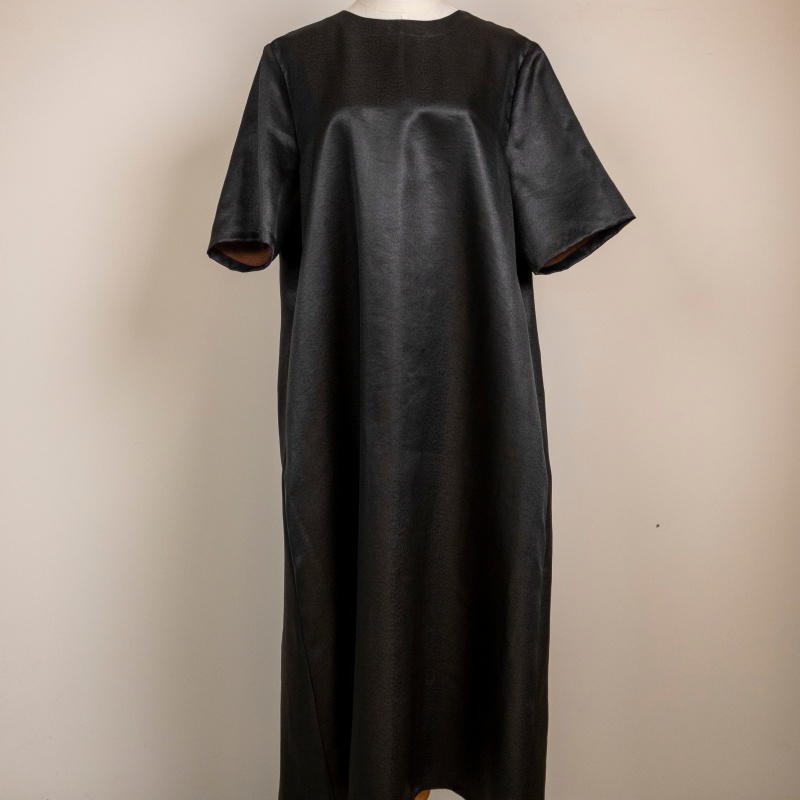
Techniques for Preventing Color Fadeage When Drying Silk Qipaos
How to Air Dry Your Silk Cheongsam Without Losing the Color
The first time your favorite silk cheongsam fades, it happens so slowly you barely notice. The shoulders look a shade lighter. The collar has lost some of its depth. The rich crimson you loved has drifted toward dusty pink. You blame the sun. You blame the detergent. But the real culprit is almost always the drying process — specifically, how you hung it up and walked away.
Color loss in silk cheongsam is not a sudden event. It is a slow, cumulative process that happens every single time the garment dries. And most of that damage occurs during the hours between washing and storage, when the fabric is wet and most vulnerable.
The good news is that you can slow this process dramatically. Not stop it entirely — nothing stops dye degradation forever — but slow it enough that your cheongsam looks sharp for years instead of seasons.
Why Silk Cheongsam Fades During Drying and Not During Washing
Wet Silk Absorbs Light Differently Than Dry Silk
Here is something that surprises most people. The wash itself is not where most color damage happens. It happens afterward, while the cheongsam is drying.
Dry silk reflects light off its smooth fiber surface. That reflection is what gives silk its depth and luster. But wet silk behaves completely differently. Water fills the gaps between fibers and makes the surface more translucent. Light does not bounce off — it passes through, reaches the dye molecules, and starts breaking them apart.
This effect is invisible in real time. You do not watch the color drain out of the fabric while it dries. But by the time the cheongsam is fully dry, the damage is already locked in. The areas that caught the most light — shoulders, chest, upper back — are noticeably lighter than the rest.
UV Damage Is Worse When Fibers Are Swollen
Ultraviolet radiation breaks down the chemical bonds that hold dye to silk protein. On dry fabric, this process is slow. The fibers are tight and the dye is relatively protected. On wet fabric, the fibers are swollen and the cuticle scales are open. UV rays penetrate deeper and cause more damage per minute of exposure.
Even indoor light carries enough UV to cause fading over time. A cheongsam that dries near a window for a few hours every wash cycle will lose visible color within five to ten washes. A cheongsam that dries in the shade will hold its color for thirty washes or more. The difference is enormous.
The Drying Setup That Protects Color
Inside Out Is the Single Most Important Step
Turn the cheongsam inside out before you do anything else. The dyed outer surface should face the towel or the hanger lining. The undyed inner lining faces the world.
This sounds obvious, but most people forget it or skip it because it feels like a small detail. It is not a small detail. The outer surface carries all the dye. Every minute it faces upward or outward is a minute of light exposure. The lining side has little to no dye, so it can face the light without consequence.
Flip the cheongsam inside out before you lay it flat. Flip it inside out before you hang it. Keep it inside out for the entire drying period. Only flip it back when the cheongsam is completely dry.
Choosing the Darkest Spot in Your Home
Where you dry the cheongsam matters as much as how you dry it. The ideal spot is the darkest room you have with consistent airflow. A closet with the door closed works. A room with blackout curtains works better. A hallway with no windows and a steady draft works well too.
Avoid drying near any window, even with curtains. Sheer curtains filter some UV but let most visible light through. Visible light still causes fading on wet silk — just slower than direct UV. For maximum protection, you need near-total darkness during the drying window.
If you must dry near a window, hang a thick dark fabric or a black garbage bag over the window first. It looks ugly. It works.
The Surface Matters More Than You Think
A white towel reflects light upward into the fabric. A colored towel can transfer dye onto the wet silk. Use a neutral-colored towel — gray, beige, or unbleached cotton. The towel should be flat-weave, not terry cloth. Terry cloth leaves texture marks on wet silk that dry into permanent impressions.
If you are flat drying, lay the cheongsam face down on the towel so the outer surface presses into the fabric. The towel acts as a light barrier between the dyed side and whatever ambient light exists in the room.
Speed Up Drying Without Sacrificing Color
The Dehumidifier Method
A dehumidifier pulls moisture from the air, which speeds up evaporation without adding any heat or light. This is the best tool you can use in humid weather when drying takes days.
Set it to 45 to 50 percent relative humidity. Place it in the same room as the cheongsam, at least one meter away. Run it continuously. With a dehumidifier, a silk cheongsam can dry in 12 to 18 hours instead of 36 to 48. That is a massive time save with zero color risk.
The Cross-Breeze Technique
Position a fan on one side of the room pointing at the wall, not at the cheongsam. Open a window on the opposite side if outdoor humidity is below 60 percent. The fan pulls air in through the window and pushes it across the room. The cheongsam gets gentle indirect airflow from all directions.
This dries the cheongsam faster than still air without any direct force on the fabric. It works best in combination with the dehumidifier. Together, they can cut drying time by half while keeping the color locked in.
The Towel Roll Before Drying
Most of the drying time is spent evaporating water you could have removed mechanically. After the final rinse, lay the cheongsam on a large dry towel, roll the towel up with the cheongsam inside, and press gently as you roll. The towel absorbs 60 to 70 percent of the water.
Now the cheongsam is damp, not soaking wet. Drying time drops from 36 hours to 18 to 20. Less time in the drying window means less light exposure means less fading. The towel roll is the easiest color-protection step you will ever take.
Extra Steps That Lock In Dye
The Vinegar Rinse Before Drying
Add one cup of white vinegar per liter of cool water during the final rinse. The acetic acid neutralizes alkaline detergent residue and helps reseal the dye molecules inside the fiber. This does not stop fading completely, but it slows it significantly.
The vinegar smell disappears once the fabric dries. What remains is a subtle pH balance that makes the dye more resistant to light damage during the vulnerable drying window. This step is especially important for dark-colored cheongsam — black, navy, deep crimson — because those shades show fading fastest.
Avoiding Any Heat Near the Drying Area
Heat accelerates dye breakdown. A radiator, a heater vent, a kitchen exhaust — all of these raise the ambient temperature and speed up the chemical reactions that fade color. Keep the drying area at room temperature, ideally between 18 and 24 degrees Celsius.
Do not use a hair dryer. Do not hold the cheongsam near a vent. Do not drape it over a warm surface. Every degree of heat you add speeds up fading. Room temperature air drying is slow, but it is the only temperature that does not actively damage the dye.
Do Not Use Bleach or Optical Brighteners
Some people add bleach or brightening agents to the wash thinking it will keep the color looking fresh. It does the opposite. Bleach strips dye from silk permanently. Optical brighteners coat the fiber with synthetic chemicals that yellows over time and interfere with the natural dye.
Stick to a silk-safe detergent. Rinse twice in clean cool water. Add vinegar to the final rinse. That is all you need. No bleach. No brighteners. No additives.
What Happens When You Dry It Wrong
If you hang a wet cheongsam by the shoulders near a window, the damage shows up within five washes. The shoulder areas fade first because they catch the most light and bear the most weight. The fabric stretches at the hanger points, which makes the faded areas look even worse because the shape has collapsed.
If you dry it in direct sunlight — even for an hour — the outer surface can lose 10 to 15 percent of its color depth in a single cycle. That loss is permanent. No vinegar soak, no steaming, no re-dyeing can bring it back.
If you dry it in a hot room with a radiator running, the dye migrates unevenly. Some areas go lighter. Others go darker where the dye has concentrated. The cheongsam looks patchy and inconsistent. The only fix is professional re-dyeing, which is expensive and never matches the original perfectly.
How to Check If the Color Held Up After Drying
Hold the cheongsam up to a light source and compare the shoulder area to the hem area. The hem gets less light during drying, so it should be the darkest part. If the shoulders are as light as the hem, the drying process failed.
Run your fingers over the embroidered sections. If the embroidery threads look noticeably lighter than the base fabric, those areas got too much light exposure. Next time, cover them with tissue paper during drying.
Smell the lining. No musty odor means no mildew, which means the drying environment was dry enough. Mildew causes yellow stains that look like fading but are actually fungal damage. Keep the drying space clean and dry to avoid confusing the two.
The Drying Routine That Actually Preserves Color
Wash in cool water with a silk-safe detergent. Rinse twice. Add vinegar to the final rinse. Roll in a dry towel to remove bulk water. Flip inside out. Lay flat on a neutral towel in the darkest, coolest room available. Use a dehumidifier if the air is humid. Use a cross-breeze if the air is dry. Do not touch it for 24 to 48 hours. Confirm full dryness by touching the lining. Flip back only when completely dry. Store inside out in a breathable cotton wrap.
That routine takes discipline. It takes resisting the urge to check on it, speed it up, or hang it near a window because you need it tomorrow. But every time you follow it, the color stays deeper, the sheen stays brighter, and the cheongsam looks the way it did the day you first put it on.
Fading is not inevitable. It is just what happens when you stop paying attention to the drying process. Pay attention, and the color stays.